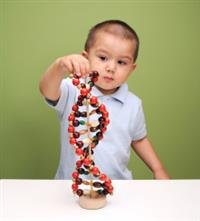

What are genetic disorders?
Genetic disorders is a category of diseases that includes certain types of birth defects, chronic diseases, developmental problems and sensory deficits that are inherited from one or both parents.
Birth defects
Cataracts
Cleft lip or palate
Congenital heart disease
Contractures
Diaphragmatic hernia
Genital malformations
Glaucoma
Misshapen skull
Missing fingers or toes
Missing or incomplete arms or legs
Spina bifida or open spine defects
Chronic diseases
Bleeding disorders
Childhood cancers
Kidney or urinary tract disease
Slow growth or short stature
Cystic fibrosis
Sickle cell disease
Thalassemia
Developmental problems
Autism
Attention deficit/hyperactivity
Developmental delay
Failure to thrive
Learning disability
Loss of developmental skills
Low muscle tone
Mental illness
Mental retardation
Speech problems
Seizures
Sensory Deficits
Extreme farsightedness
Extreme nearsightedness
Hearing loss
Retinal or other visual problems
Some of the symptoms can be the same as those for conditions that are not inherited, Features can appear at birth (congenital heart disease or cleft lip or palate) or during the course of childhood (developmental delays or learning problems). Diagnosis may involve a physical exam or targeted genetic testing
How we care for genetic disorders
The Division of Genetics and Genomics works closely with the Genetics Division''s research laboratories to develop scientific findings into new treatments and cures for your child. Home to world''s only center studying rare "orphan" diseases that affect fewer than 200,000 people in the country, we are poised to become the richest database of genetic and clinical pediatric data in the world.
What are the physical signs of genetic disorders?
The following list includes features that might suggest that your child has a genetic disorder. However, some of these characteristics are commonly found in people without a disorder. You''ll want to check with you doctor if your child has at least two of the following features:
Ear abnormalities
Unusually shaped eyes
Different colored eyes
Facial features that are unusual or different from other family members
Brittle or sparse hair
Excessive body hair
White patches of hair
Large or small tongue
Misshapen teeth
Missing or extra teeth
Loose or stiff joints
Unusually tall or short stature
Webbed fingers or toes
Excessive skin
Unusual birthmarks
Increased or decreased sweating
Unusual body odor
What is genetic counseling and how do I know if I need it?
Genetic counseling can tell you whether you''re at risk of developing a genetic disorder or having a child with a genetic disorder. Genetic counseling can also help you to make sense of the information and put it into context for your child. It may be conducted by a geneticist, a doctor with special training or a genetic counselor, who will explain the cause of a disorder, availability of testing, prognosis, medical management and treatment. Genetic counseling sessions typically last an hour or longer, depending on the complexity of your child''s case is. There are many reasons to seek genetic counseling, including the following:
1. Family history or previous child with
chromosome abnormalities (such as Down syndrome)
cleft lip/palate
heart defects
mental retardation
neural tube defects
short stature
single gene defects (such as cystic fibrosis or PKU)hearing or visual impairments
learning disabilities
psychiatric disorders
cancers
multiple pregnancy losses (miscarriages, stillbirths or infant deaths)
2. A parent with an autosomal dominant disorder, or any disorder seen in several generations
3. Pregnancy factors (mother older than 35 years)
4. Mother with any of the following
schizophrenia
depression
seizure
salcoholism
diabetes
thyroid disorder
fetal or parental exposure to certain drugs, chemicals, radiation or infections
advanced paternal age at the time of conception
infertility cases where either parent is suspected of having a chromosome abnormality
couples requiring assisted reproductive techniques to achieve a pregnancy, or individuals donating eggs or sperm for those purposes
Ethnic groups or geographic areas with a higher incidence of certain disorders, such as Tay Sachs disease, sickle cell disease or thalassemias