
to discuss the recommendations of the annual conference of the American Academy of Dermatology
She launched a scientific symposium for specialized physicians in the Kingdom of Saudi Arabia, during which he reviewed the most prominent recommendations of the annual conference of the American Academy of Dermatology, in addition to shedding light on the latest achievements of dermatology, specifically psoriasis, hidradenitis suppurativa and atopic dermatitis.
The symposium was attended by a group of faculty members at the American Academy of Dermatology, and a number of doctors and experts specializing in dermatology from inside and outside the Kingdom, during which new developments in dermatology were discussed and the causes, symptoms, methods of diagnosis and treatment were discussed.
In his opening speech at the symposium, Dr. Essam Hamada, Chair of the Session, Consultant Dermatology at King Faisal Specialist Hospital and Professor of Dermatology at Al-Faisal University, praised the wide participation of the symposium, and praised the pioneering role of AbbVie in providing advanced treatments for skin diseases, and its keenness to upgrade At the level of skin care, and supporting the realization of the Kingdom''s vision 2030 in the field of health in general.
On the disease and inflammation of the hidradenitis suppurativa, Dr. Abd al-Rahman al-Bahloul, head of the department of dermatology, venereal diseases and laser at King Fahd General Hospital in Jeddah and the supervisor of the dermatology specialization in grandfather’s health affirmed, “Despite the remarkable scientific progress in the field of therapeutic medicines, the hidradenitis suppurativa patient needs A lot of care and attention from health service providers to raise awareness of his condition and how to control it with the necessity of new options for treatment.
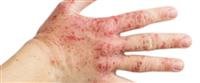
On the disease of atopic dermatitis, Dr. Abdul Majeed Al-Ajlan, a professor of dermatology at King Saud University, said: “The incidence of atopic dermatitis in the countries of the world is about 2-8% of the population, and it is one of the skin diseases that affect humans, and may be accompanied by deformities and rashes. My skin. However, there is wide progress in treating this disease, especially with the emergence of new, advanced treatments in the near future. These drugs are considered a qualitative leap in the treatment of this disease, where the response rate reaches 90% even in severe and chronic cases with a high safety rate.
Professor Mark LaBaule, from the American Academy of Dermatology, confirmed the Academy’s interest in establishing such scientific forums, pointing to its keenness to present scientific papers on developments in skin diseases. He stressed that dermatologists need the support of official authorities, in order to enhance their competencies, expand their medical contributions, and help them explore more treatment solutions.