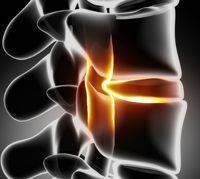
What is Scoliosis?
It is a curvature of the back as a result of curvature and curvature of the spine, so that the vertebrae take the shape (S) or take the form (C).
What are the causes?
There are many causes that lead to scoliosis, such as congenital malformations in the spine, some tumors, muscle diseases, and injuries, but in the vast majority of patients there is no specific cause for scoliosis.
Who are at risk of contracting this disease?
The disease affects males and females, but the percentage of patients with severe curvature requires surgical intervention and a greater percentage among females, and the disease is usually diagnosed in the few years that accompany adulthood.
What are the symptoms of the disease?
Usually the parents or the patient complains about the emergence of a protrusion in the upper back or a change in the level of the shoulders or in the way of walking, and in advanced cases, the protrusion of the back leads to a clear distortion.
In very advanced cases, the curvature may lead to difficulty breathing and eating due to pressure on the lung and internal organs.
Is it a genetic disease?
In some cases, there is more than one patient in the same family, but there is still no evidence that the disease is hereditary.
How is scoliosis treated?
Most cases of scoliosis in children are minor and need only periodic observation. If an increase in the degree of curvature is detected with the passage of time, a medical belt is installed in an attempt to slow the increase in the curve.
In cases that are diagnosed late and after the curvature in the spine has become large, the only treatment is surgical intervention.
Are there a role for physical therapy, exercise, and medication in treating these conditions?
Medical research and experience have proven that physical therapy, exercise, and others have no effective effect in treating scoliosis.
How is the surgical intervention?
Surgery is the best solution in cases where the degree of curvature is fifty degrees or more, and during the surgery the curvature is significantly modified and the modified part of the spine is fixed by using high-quality medical nails and rivets.
Are there risks to surgical intervention?
With the advancement of medicine and surgery, these operations are considered safe and have a very high success rate. Also, the risk of injury to the spinal cord during these operations has become negligible, because during surgery, nerves are planned continuously.
Do these processes affect the patient’s natural life?
On the contrary, after surgery, the patient feels psychological and physical improvement due to the great improvement in the external appearance and the modification of the curvature in the spine. Also, the patient or the sick person can return to life as normal as any other human being.
What are the complications resulting from neglecting scoliosis?
The deformity resulting from increased curvature leads to negative effects on the patient''s or patient’s psyche, and with age, it may lead to an increase in back pain and breathing problems as a result of pressure on the lungs.