
catheterization
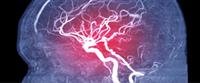
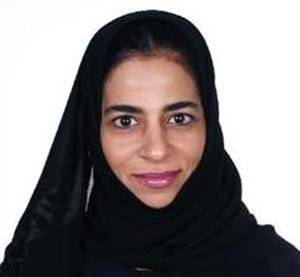
A medical team at Saad Specialist Hospital in Al-Khobar, headed by Saudi Dr. Aisha Al-Hajjaj, a consultant neurosurgeon, performed a rare interventional catheter operation - the first of its kind in the Eastern Province - on a Sudanese patient suffering from cystic aneurysm of the carotid artery at the base of the skull.
Dr. Aisha Al-Hajjaj says that the Sudanese patient was suffering from a constant headache and problems with the right eye movement, and he visited many hospitals, which confirmed that he had an aneurysm in one of the main arteries next to the eye socket, noting that the treating doctors advised him to go to Saad Hospital due to the presence of modern technologies to treat Swelling of the artery through the catheter.
The consultant neurosurgeon explained that the increase in the aneurysm of the artery almost cost the patient to lose his sight, if this artery exploded, noting that Saad Specialist Hospital bore the financial costs of the entire operation, as part of its campaign to treat those who are unable to suffer from rare diseases.
The consultant neurosurgeon at Saad Hospital added that a two-day treatment plan was developed, which began by placing a balloon in the dilated artery for testing, and on the second day the catheter was performed after the patient was completely anesthetized. It indicated that stents were placed to cover the depth of the aneurysm, followed by filling the artery with metal spirals, ending with closing the cystic aneurysm, thus preventing blood flow to it. Dr. Aisha Al-Hajjaj indicated that the operation was very successful, as the patient''s condition improved very quickly, and the chronic headaches that the patient was suffering from disappeared, in addition to the disappearance of the risk of an aneurysm bursting, which could cause blindness.
She emphasized that the complications caused by catheters are much less than traditional surgery. In diagnostic catheters, the complication rate is 1 in every 600 cases, and in therapeutic catheters, it is 5%, and the hospitalization period of the patient is much less when resorting to catheters. Regarding this, the consultant neurosurgeon at Saad Hospital warned against neglecting some traditional symptoms, such as sudden and severe headaches, or blurred eyes, especially if the patient’s family history has some cases of sudden death, alerting the need to do x-rays and tests to find out the main cause of these symptoms and then treat them.