most prominent information about it.
Tuberculosis is also known as tuberculosis, and in the following information will be clarified about the cure rate from tuberculosis, how to detect infection with it, and methods of treatment:
Cure rate for tuberculosis
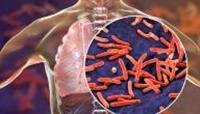
Tuberculosis is a bacterial infection caused by a type of bacteria called Mycobacterium tuberculosis.
These bacteria usually attack the lungs, and they can spread to other parts of the body, such as the brain, spine, and kidneys.
If not treated properly, tuberculosis can be fatal.
Now after knowing the main points about tuberculosis, it is worth knowing the cure rate for tuberculosis, as the cure rate for tuberculosis includes the following:
The cure rate for tuberculosis for people with drug-resistant TB, which is known to be resistant to isoniazid and rifampin, is 50-60%.
The cure rate for people with drug-susceptible TB is 95-97%.
The cure rate for tuberculosis for people with extensively drug-resistant or severely drug-resistant TB, defined as resistant to isoniazid, rifampin, and fluoroquinolone, is 30-50%.
Detecting tuberculosis
To detect tuberculosis and receive treatment, the individual must follow up on the signs and symptoms that may appear on him, and the common symptoms of tuberculosis include the following:
Chronic cough.
Pain in the chest area.
General weakness and fatigue.
Weight loss.
Having a fever.
Night sweats.
Sometimes these symptoms will be mild for several months, which leads to a delay in seeking care and an increase in the risk of spreading the infection to a larger number of people, and this affects the treatment and thus affects the cure rate from tuberculosis.
If the specialist doctor suspects that the patient has tuberculosis, samples will be taken for examination depending on the type of suspected tuberculosis, as follows:
a sample of sputum To test for tuberculosis bacteria if Lung TB disease is suspected
Samples of infected body fluids and tissues for non-pulmonary tuberculosis (Non-Lung TB disease).
Molecular diagnostic tests are also performed as initial tests for people who show signs and symptoms of tuberculosis. Other diagnostic laboratory tests may include the following:
Microscopic examination of sputum.
Chest X-ray.
Skin examination.
Blood test.
tuberculosis treatment
The cure rate for the aforementioned tuberculosis disease certainly depends on the treatment of tuberculosis, which is often taken by taking a group of antibacterial drugs for a period of six to 12 months, and the most prominent of these drugs are:
Isoniazid, the most common treatment for tuberculosis.
Rifampin.
Pyrazinamide
Ethambutol.
The following is important information that you should know about the treatment of tuberculosis:
You may begin to feel better only a few weeks after you start taking the medications, but TB treatment takes much longer than any other bacterial infection.
The patient should continue to take antibiotics, as prescribed by the specialist doctor, and for the time indicated by the specialist.
Failure to adhere to the prescribed treatment may cause a relapse of the disease and the return of the disease to him again, and the patient will find that the cure rate from tuberculosis has decreased, and may cause the disease to spread to others.
Failure to complete treatment as prescribed by the physician may cause drug-resistant tuberculosis, which may require a longer treatment period.