
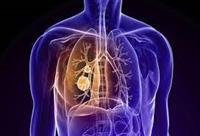
Chronic obstructive pulmonary disease (COPD) is a general name for a group of common diseases that cause obstruction of the large or small airways. Usually, the severity of obstruction (and its pathological effects) increases as a result of inflammation in the bronchial wall and lung tissue.
Within the definition of obstructive pulmonary diseases (COPD), several diseases are included, such as: chronic bronchitis, emphysema and other diseases such as chronic, irreversible asthma.
The causes of bronchial obstruction are characterized by a combination of two aspects: the performative side (spasm of the smooth muscles of the bronchi, inflammation and increased mucous fluid). and the structural aspect (bronchoconstriction and scarring, thickening of the walls of the bronchi, as well as the destruction of the elastic lung tissue that supports the bronchi). The most common cause of this disease is smoking. But there are other causes such as environmental or industrial air pollution and infections of all kinds and forms. This group of diseases (COPD) is considered one of the most common causes of disease and death in Western countries, and its prevalence is higher there than in developing countries. Also, it is expected to increase the incidence of infection as a result of smoking.
Although the data indicate that about 20% of smokers will develop this disease, we do not have any mechanism that enables us to identify smokers included in the risk group in advance. It is true that stopping smoking limits the speed and pace of disease progression, but it is not able to actually repair the damage that has occurred.
As the obstruction progresses and the flow of exhaled air is reduced, the person with the disease may have difficulty breathing on exertion. When the blockage is severe, it becomes difficult to do even the slightest effort, such as walking on flat roads, for example. At this stage of the disease, other changes occur at the same time, such as: disruption of the gas exchange process in the lungs, the inability of the alveoli to saturate the blood with oxygen, the destruction and constriction of blood vessels in response to a decrease in the level of blood oxidation, which causes pulmonary hypertension. . This rise in blood pressure, increases the pressure of blood flow in the right part of the heart, and the heart responds to this pressure by increasing the thickness of the muscle, and expanding the cardiac space until the patient reaches the stage of total failure in the right side of the heart. At this stage, edema (a tumor resulting from the accumulation of fluid) forms, which leads to the deterioration of the lungs'' performance further and further. Among the factors that increase the frequency of exacerbation of the disease: continuous smoking and frequent bronchial infections.
When conducting research related to the group of diseases called (COPD), the issues and topics that are examined are as follows: smoking and ways to quit, genetic risk factors (genetic) and features of bronchitis that can lead to infection and exacerbation of the disease in some patients.
COPD symptoms
Signs of COPD are coughing accompanied by phlegm secretion, and shortness of breath, especially upon exertion.
Chronic obstructive pulmonary disease treatment
In order to treat COPD, you must first refrain from smoking and not be exposed to environmental causes, including the prevention of infections by vaccinations and antibiotics, and the expansion of the bronchi, which is done by inhaling certain medical preparations.
During the last decades, the importance of continuous treatment by giving oxygen to patients with low blood oxygen saturation has been proven. This treatment increases patients'' odds of survival and improves their quality of life and cognitive abilities. It has also been recently shown that the abilities of patients with acute COPD are not only limited by lung disease, but also as a result of secondary atrophy in some other body systems, such as muscles, heart and blood vessels. The structure and functioning of these organs is damaged by the lack of activity and comorbidities, such as: depression, malnutrition, and breathing disorders during sleep.
As a result of this, a new type of treatment has been devised called "Lung Rehabilitation Workshop", which includes patient orientation and training, smoking cessation assistance, physical training to strengthen muscles and social and nutritional counseling.
This treatment method improves the quality of life of patients, increasing their ability to exert effort and reducing their need for medical treatment and hospital stay. Because these treatment workshops are effective and reduce the money spent on treating patients, they are very desirable for COPD patients who suffer from severe disease, or for those who suffer from limited performance as a result of the disease.
Recently, other treatment methods have been developed and invented that are suitable for patients whose performance could not be improved. These treatments include lung reduction surgery or a lung transplant. During a lung reduction procedure, damaged parts of the lung are removed, allowing normal, healthy adjacent parts to improve. During a lung transplant, one (or both) lungs are replaced with a lung taken from a suitable donor. These therapies enable us to improve the quality of life for some patients, but it is not yet clear if they help keep patients alive.