
the most important information
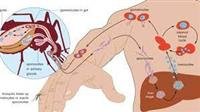
Malaria prevention is one of the most important steps to take when traveling to certain regions. What are the methods of prevention?
The risk of contracting malaria increases when traveling to some endemic areas. In the following, we will learn the most important malaria prevention tips:
Malaria prevention
Malaria prevention tips consist of four main points, as follows
1. Recognize the risk of injury
One of the most important malaria prevention tips is to be aware of the risk of infection, as the risk of infection varies depending on the country you are traveling to, the type of travel and the time of travel.
Traveling to the countryside is more dangerous than traveling to the city, and traveling in wet seasons carries a greater risk of infection than dry seasons, and traveling to low-lying areas carries a greater risk of malaria than high areas, such as mountains.
It is worth noting that although there are some individuals in areas at risk of contracting malaria, they must take the necessary measures when traveling to any other country that carries the risk of contracting malaria.
2. Prevention of stings
Preventing mosquito bites is one of the most important tips needed to prevent malaria, as one mosquito bite is enough to transmit infection to a person. Among the tips that must be followed to prevent mosquito bites, we mention:
Make sure windows and doors are closed when staying indoors.
Wear clothing that covers the body as much as possible, such as: long sleeves or long pants
Spray clothes with insecticides or mosquito repellents, as mosquitoes can bite from the top of the clothes.
Use mosquito repellents containing DEET (N,N-Diethyl-meta-toluamide) on exposed areas of the skin.
Use a special net to protect against mosquitoes at night while sleeping, and the net can be sprayed with the insecticide Permethrin.
Spray the bedroom with insecticides, such as pyrethrin, before bed.
3. Take malaria pills
Because no malaria vaccine is currently available, malaria-prevention pills should be used. It is worth noting that you must start using the pills before traveling for a period of up to 4 weeks after returning from travel. But these pills may vary depending on the country you''re traveling to. Among these medicines are:
Chloroquine.
Proguanil.
Doxycycline.
Mefloquine (Mefloquine).
Atovaquone and Proguanil together.
The medication used may vary depending on several points, such as
Having any health problems.
Types of medicines that are used.
duration of travel.
Having any problems or complications when using malaria drugs in the past.
Pregnancy or breastfeeding women.
Age.
4. Get a proper diagnosis
One of the most important ways to prevent malaria complications is to get the correct diagnosis when symptoms begin. It is worth noting that symptoms may begin to appear for a period of up to a year after travel.
Malaria diagnosis
Malaria is diagnosed by doing several tests, such as
A blood smear test, which helps determine the type and number of parasites in the blood.
Polymerase chain reaction (PCR) assay that helps detect parasite DNA.
A comprehensive blood count that helps detect symptoms of malaria, such as: ischemic or the presence of any infection.
A blood sugar test that measures the amount of glucose in the blood.
complications of malaria
Malaria can cause many complications, such as
Anemia due to the breakdown of red blood cells.
Cerebral malaria, which is brain swelling and seizures.
Liver and kidney failure.
Lung edema.
Acute respiratory failure syndrome.
Low blood pressure and blood sugar.
Enlargement and rupture of the spleen.
Drought.