
of non-surgical dental implants?
In general, there are some pathological or congenital conditions that the doctor must deal with before performing a dental implant without surgery or implanting it surgically, which are:
The lack of sufficient bone in the jaw to support the implant. This condition is treated by placing bone structures in the jaw and growth factors to stimulate the growth of jaw bones and then stimulate their support for dental implants.
Sinus prolapse, usually caused by damage to the bones of the upper jaw due to the loss of teeth in it, and it is also treated by implanting bones under the sinuses to raise it.
Small jaw size, and treated with jaw exposure techniques that include placing suitable fillings to enlarge the jaw and find a suitable place for the implant.
The presence of a bacterial, viral or fungal infection in the mouth (Fungal mouth infection), and this case is treated with the appropriate antidote for the type of infection long enough before the operation to avoid infections.
Advantages of non-surgical dental implant technology
Non-surgical dental implants are characterized by avoiding the patient from the ill effects of surgery, such as making a surgical incision, stitching, and a feeling of discomfort and pain associated with the wound. Local anesthesia after the operation is much less than the effect of anesthesia in surgical implants, and the recovery time is fast, as the patient can eat normally within three days after the procedure.
One of the most important advantages of the non-surgical dental implant technique is its suitability for diabetics and patients with blood clotting disorders, unlike the surgical implants that may conflict with their health condition, and the chances of rejecting the implant are very small, not exceeding 2% for the accuracy of the implant.
Dental implant method without surgery
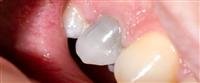
After the patient is anesthetized, the dentist starts making an incision of precise specific dimensions in the gums and between the jaw bones using a laser beam, then the doctor installs the previously prepared implant according to the x-ray measurements. months until it is healed and mixed with the jaw bones, then the temporary teeth are replaced with permanent teeth.
Candidates for non-surgical dental implants
People who have lost their teeth due to dental diseases, accidents or diabetes, and the non-surgical dental implant technique is suitable for those who suffer from coagulation disorders.
Before a dental implant without surgery
Before performing a dental implant without surgery, the dentist performs a CT scan of the mouth to photograph the jaw bones in the places where the dental implants are targeted, then enters the result of the radiology into a special computer program that converts the rays into a three-dimensional image and accurately measures the appropriate implant dimensions According to the cavities between the jaw bones, it also determines the exact location of the implant, and then the doctor prepares the implants and teeth in preparation for implanting them. After that, the doctor numbs the patient locally using a computer-connected device, and then begins the implantation process.
Ask your doctor about dental implants
The doctor is well aware of your concerns as a patient about the dental implant technique without surgery, but he needs to be relaxed and calm in order to complete his work easily, accurately and quickly, so do not hesitate to discuss these concerns before the operation so that he gives you all the reassuring information that helps you relax and cooperate with him, For example, you should ask him if this process causes pain or not and the degree of this pain, if any, and what drugs and analgesics you can take to overcome this pain, also ask him about the steps to be taken in the event of any possible complications, and the type of food that should be taken until full recovery, You can also ask him about the duration of the procedure and the time required for complete recovery. The doctor should set an appointment after the surgery to follow up on the results of the operation within two weeks and a date after a few months to complete the procedure and place the permanent teeth.