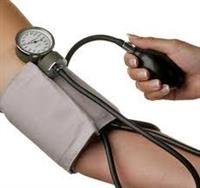

hypertension
High blood pressure is a global public health issue. High blood pressure contributes to the burden of developing heart disease, stroke, kidney failure, premature death and disability. The impact of high blood pressure on populations varies in low- and middle-income countries, which have weak health systems. Preventing and controlling high blood pressure is complex, and requires collaboration between multiple stakeholders, including governments, civil society, universities and the food industry. It is time to reap the huge public health benefits of controlling blood pressure.
Integrated care
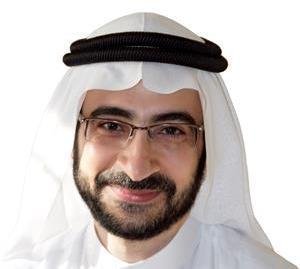
Talk to "Your Health", CEO of the World Hypertension Association for the Middle East, Dr. Badr Ali Al-Mustafa, family medicine consultant and clinical hypertension specialist, director of training and development at the Saudi Society for Hypertension Care - explaining that high blood pressure has become a phenomenon with social and economic roots, as well as Its genetic, organic, psychological and behavioral roots. To address this phenomenon, it is necessary to take all these things into consideration. It is not enough to be through drug treatment only, or a partial correction in salt consumption, or other individual treatments. He added that controlling or preventing the emergence of the phenomenon of high blood pressure, at an acceptable cost in the long term, has become difficult for both the patient and the doctor, who are the two parties to the traditional treatment. He referred to the São Paulo statement issued by the World Hypertension Association at the end of 2019, which summarizes the road map for addressing this phenomenon, which has gone beyond the doctor''s office, that is, the traditional two sides of treatment, to include: the treating physician, the educator and the treating health guide, the health team, the patient, The patient’s family, the health facility, civil society institutions, including scientific, professional and community associations. In addition to training and education bodies and institutions, food and drug authorities, medical devices, and finally the health system in each country.
Therefore, it is necessary for all these stakeholders to invoke their responsibility, and the role that they can play. In order for these roles to be integrated, with the least amount of conflict and waste, the central higher authorities, such as the ministries of health, are required to undertake the coordination, encouragement, monitoring and development of these efforts.
Preventative measurements
Dr. Bader Al-Mustafa added that simple measures to treat high blood pressure are possible, at all levels of service, and would enhance and support primary care. It is also possible to control high blood pressure, in most people with it, if it is systematically, drug treatment, and lifestyle correction, based on evidence. Actions taken in the treatment of hypertension can serve as a model for, and foreshadowing of, other non-communicable diseases.
Improving the methods of preventing and controlling high blood pressure and enhancing the role of primary care in this can be achieved by health care policies, correction initiatives in the health system and methods of service delivery.
For example, the WHO''s HEARTS initiative that advocates health care based on team integration, use of reliable and affordable medicines, systematic measurement of blood pressure using electronic devices documented by trained professionals, use of a simplified treatment approach, Use of systematic follow-up records, and regular investigation of hypertension in the community. It would raise global awareness of high blood pressure and the importance of screening.
"Hartz" package
The HEARTS technology package provides a strategic approach to improving cardiovascular health in countries around the world. It is an abbreviation of the six modules that make up this package, which are:
Healthy - lifestyle counseling
Evidence-based treatment protocols
Access to essential medicines and technology
Risk-based CVD management
Team-based care
Systems for monitoring
This package supports ministries of health to strengthen the management of CVD in primary health care settings. The step-by-step practical modules are supported by a comprehensive technical document that provides the rationale and framework for this integrated approach to NCD management. It was developed by the World Health Organization (WHO) and the US Centers for Disease Control and Prevention (CDC).
More people die from cardiovascular diseases (CVDs) than from any other cause. More than three-quarters of deaths related to heart disease and stroke occur in low- and middle-income countries.
HEARTS modules are intended for use by policy makers and program managers at various levels within ministries of health, and within resource-constrained settings, who can influence the delivery of primary cardiovascular care.
Self-care
Dr. Ammar Abu Zuhaira, family medicine consultant, member of the Saudi Society for Blood Pressure Care (Shams) confirms that a person with high blood pressure is indispensable for self-care, as he coexists with the disease in separate cases (sometimes at work and others at home) and at different times. (He may travel in one month and fast in another), and the level of pressure varies from hour to hour, and is affected by many factors, such as food, physical activity, psychological pressure, medications, supplements and other factors, and if we measure the time the patient spends with his doctor, we will find it does not exceed three or Four hours a year, while a person with high blood pressure coexists with the disease for 365 days a year. From all of this, it is important for a person with high blood pressure to know how to take care of himself, and this is represented in four main axes, namely:
• Continuous follow-up, the advantages of which are
The emergence of a strong relationship between the patient and the doctor, which leads to the patient''s confidence in the doctor more, and his commitment to the treatment plan, and then improving the control of the level of blood pressure.
Early detection of complications of high blood pressure, which leads to the ease of treatment to prevent its development.
Enable the patient to learn about the different aspects and control the disease, through the education he receives from the various members of the medical team.
> Healthy food and physical activity, and its objectives are
Commitment to healthy food and physical activity, each of which may dispense with one of the stress-control medications.
The effect on other chronic diseases (such as diabetes and dyslipidemia), and may prevent many diseases.
Helping lose weight, and this has a positive effect on high blood pressure and other chronic diseases.
Take medications regularly, and its benefits include:
Sparing the patient from increasing other medications to control the level of pressure.
In order for the drug to work to the fullest, it is necessary to take it regularly for several days or weeks.
Fluctuation in taking medicines (taking the medicine sometimes and leaving it at other times) may be harmful, due to the large difference in the level of pressure.
> Self-monitoring at home, and its benefits
Giving a clearer picture of the patient than following him in the clinic, as the pressure level may be normal at home and high in the clinic, in which case he does not need to modify the treatment plan.
Knowing the effect of different types of food and physical activities on the level of pressure, to avoid the types that raise the level of blood pressure.
• The absence of symptoms does not mean that the pressure level is normal. We need to monitor the level of pressure at home to see if it is high or not.
Treatment and Prevention Department
The CEO of the World Hypertension Association for the Middle East, Dr. Bader Al-Mustafa, calls on health staff and participating organizations to take the following actions to promote treatment, control, and prevention of high blood pressure through:
• Follow the best practices to provide the latest international standards for the treatment and prevention of high blood pressure.
Ensure that blood pressure is measured at every medical visit, using accurate measuring devices.
Assessment and treatment of cardiovascular diseases in patients with high blood pressure.
Use a simplified and appropriate action map to diagnose and treat hypertensive patients.
Be careful to follow the one-team approach, and use the health staff to measure blood pressure, and perform other tasks.
Treating blood pressure above 160/100 mm Hg with lifestyle changes and medication.
Assessment of each patient''s lifestyle, including food consumption, smoking, physical activity and obesity, with individual counseling.
Participation in early blood pressure screening programs in community campaigns.
> Effectively engaging primary health care while emphasizing that primary health care is the main focus in all plans and strategies for managing and managing high blood pressure.
Develop educational and training programs focusing on the key therapeutic actions needed to systematically control hypertension, including the use of technology.
Measuring home blood pressure, and providing the necessary advice on readings on a regular basis, to enhance patient adherence and reduce therapeutic inaction.
> Empowering patients
Encouraging patients to follow healthy lifestyles.
• Measure your blood pressure regularly, and know and understand the numbers.
• Establishing a pattern (routine) for taking medication regularly, monitoring its effect, and adhering to it.
Communicate with health care providers through technical means and social media channels.
Establishing support networks of hypertensive patients, enabling them to share the right experiences and support each other, and can enhance the effectiveness of treatment.
> Recognition and reward
Identifying programs and individuals that can contribute to overcoming difficulties and improving performance.
Nomination of programs and individuals who do well in the treatment of hypertension, for the awards of the World Hypertension Association and the International Society of Hypertension.
> Advocacy and encouragement
For policies that promote healthy diets, facilitate physical activity, reduce sodium consumption, and ban the use of tobacco, trans fats, and alcohol.
For policies that guarantee the sale and use of approved automated blood pressure devices.
Updating the national lists of essential medicines, to ensure the availability of high-quality medicines that lower blood pressure, and their long-term affordability, including medicines that are composed of more than one medicine.
Regular training and certification of professionals involved in regularly assessing and treating blood pressure.
Team-based care, centered around the patient''s need.
Use of hypertension records for clinical follow-up and constructive feedback.