
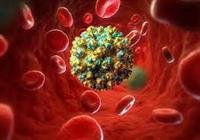
Viral hepatitis is an infectious disease caused by viruses that cause damage to liver cells. The resulting damage may be temporary or permanent.
Viral hepatitis is characterized by the presence of inflammatory cells within the liver tissue.
Viral hepatitis affects the body with jaundice (yellowness of the skin), especially in children. There are five types of hepatitis (A, B, C, D, and E), and there are other types that are not classified or are not clearly related to the disease, such as hepatitis G virus. Some types are sexually transmitted, and the common cause of death for patients with hepatitis viruses is liver failure. Severe, leading to coma and death. The inflammation in children is less severe, but it may later generate cirrhosis, damage to liver tissue, or liver failure. There is no special treatment for viral hepatitis. When the liver is infected with viral hepatitis, its cells die, which may lead to various complications. The patient may have repeated bleeding due to the lack of liver secretion of clotting factors. Hepatitis A is transmitted through contact with the feces, urine and saliva of the patient. Hepatitis B, C, and D are transmitted from blood transfusions.
Hepatitis A
Hepatitis A virus is highly contagious but is rarely fatal. It is most common in children, in large and poor populations, and during travel to countries where it is common.
The virus is present in the feces of people infected with hepatitis A, and the infection usually spreads from person to person through eating and drinking contaminated with this virus from a person infected with it, and the infection is also transmitted by eating uncooked food such as some foods that are eaten raw such as shellfish, vegetables and fruits Which is eaten without peeling, or after washing food with contaminated water.
symptoms
Symptoms of hepatitis A include: body aches, dark urine (like tea), diarrhea, fever, weakness, nausea and vomiting, jaundice (yellowing of the skin and whites of the eyes), loss of appetite, and light-colored stools. It is caused by drinking contaminated water or ice or eating raw marine fish, vegetables and fruits (that have not been washed well), and rarely, saliva, semen, vaginal secretions and urine are a cause of transmission of the disease.
The main symptoms of hepatitis A are severe dehydration as a result of vomiting, confusion in thinking, extreme drowsiness or loss of consciousness, swelling of the face, hands, feet, ankles, legs, and arms, water retention in the body, and bleeding in the nose, mouth, anus, or under the skin.
treatment
Doctors advise patients with hepatitis to eat high protein calories while avoiding dehydration, especially in the event of vomiting. It is advised to take water, soup and fruit juice, while avoiding alcohol and drugs that may damage the liver. And in the event of the appearance of itching of the skin, paint it with soothing fluids. Taking precautions when touching the patient or his stool, by washing hands with hot water and soap. For prevention, an immune globulin (IG) serum can be taken within two weeks of the possibility of infection with the A virus. Hepatitis A serum is not effective if the disease is present. Symptoms begin to resolve within two weeks of illness, during which time the patient''s stool is contagious. This virus A is less dangerous than the rest.
Hepatitis B virus
Hepatitis B virus is a major global health problem.
Of the 300,000 people infected with this disease: approximately 5,900 of them die, which is divided into 4,000, due to cirrhosis 1,500 liver cancers And 400 of the rapid progression of hepatitis.
Symptoms of infection
Symptoms begin to appear 60-120 days after infection with the virus. Symptoms appear only in 50% of infected adults, as for infants and children, the incidence of symptoms is often lower. Some people become very ill after contracting the virus. Symptoms can include jaundice (yellowing of the skin and eyes[?]), dark tea-colored urine, and light-colored stools.
Initial symptoms such as influenza: loss of appetite, general weakness and fatigue, nausea and vomiting, fever, headache or joint pain, rash or itching, pain in the upper right part of the abdomen
Symptoms of hepatitis B virus are similar to those of hepatitis A, in addition to pain in the joints and muscles. In a percentage ranging between 5-10% of patients who have the virus as a chronic disease, and after several years, the liver becomes cirrhotic and the stomach develops varicose veins that cause bloody vomiting, liver failure and cancerous tumors.
If the infection with hepatitis B is not acute or chronic, infected people will recover from the disease within a week or a month, and children are less likely to become seriously ill More than 95% of adults and children who are exposed to the disease recover completely and do not come out with any infection, but rather their bodies develop antibodies that protect them from disease in the future. The disease is transmitted to 5% of newborns through their mothers who are carriers of the virus, and this group will recover from the disease. Of the 40% of those infected, one in six will be at risk of developing liver cancer.
protection
Infection can be prevented by the hepatitis B vaccine
Hepatitis C virus
The hepatitis C virus is transmitted primarily through blood or blood products infected with the virus. According to the World Health Organization, 80% of infected patients develop chronic hepatitis. Of them, about 20 percent develop cirrhosis, and then 5 percent of them develop liver cancer within the next ten years. Currently, liver failure due to chronic hepatitis C is the main reason for liver transplantation in many countries, the most important of which is the United States of America, and it costs an estimated 600 million dollars annually in medical expenses and lost work time.
HIV infection appears in the form of acute hepatitis characterized by general fatigue, loss of appetite, nausea and vomiting, physical pain, mild fever and dark urine, in addition to skin irritation, which was noted as an indicator of all viral liver diseases. The infection continues for several weeks after which the patient begins to recover gradually in most cases, but there are some cases In which damage to the liver occurs, it may lead to liver failure and death.
Hepatitis C virus infection spreads all over the world, with more than 170 million people infected with the virus. Most of them have chronic liver disease. Chronic infection with its symptoms or in association with chronic liver disease may lead to cirrhosis of the liver after several years of illness. Also, this type of injury may dramatically lead to liver cancer, so chronic liver patients are asked to avoid alcohol use as one of the accelerators in the occurrence of these serious diseases.
Chronic hepatitis C patients often require a liver transplant. The virus is transmitted by subcutaneous exposure to contaminated blood and misuse of contaminated injections, especially blood transfusions, acupuncture, tattoos, razors, dental equipment, dialysis and the use of endoscopes. The virus is also transmitted A small percentage of saliva if there are wounds or cracks inside the mouth. 20% of the chronically ill suffer from cirrhosis of the liver, of whom 1-4% have hepatocellular carcinoma annually.
hepatitis d virus
It is also called the delta virus. It cannot reproduce and reproduce]] except in the presence of another virus, the hepatitis B virus, so the hepatitis D virus (D) exists and appears always associated with hepatitis B. Virus D is present in 8% of hepatitis B patients and in less than 2% of hepatitis B virus carriers.
Hepatitis D is transmitted by transfusion of blood or blood products or through sexual contact. The factors involved in its transmission are similar to the factors involved in the spread of hepatitis B virus (HBV). Those who are addicted to injecting drugs are the most affected.
protection
Infection can be prevented by preventing hepatitis D infection with hepatitis B vaccine
Viral hepatitis E
Crystal Clear app kdict.png Main article: Viral Hepatitis E
It is considered one of the epidemiological diseases associated with water pollution, and this virus is transmitted to humans through the mouth through contaminated food and drink. Because the virus is excreted from the body of the infected person through feces, the cause of infection is usually drinking water contaminated with sewage. The incubation period for the virus ranges from 2 to 9 weeks. People between 15-40 years are considered more susceptible to infection. Pregnant women are more vulnerable, in particular, to infection with this virus, and the death rate for them is much higher, as it may reach 20% compared to less than 1% in others.
There is no clinical difference between hepatitis E and hepatitis A. Virus E causes acute hepatitis, which resolves spontaneously.
G . viral hepatitis
Crystal Clear app kdict.png Main article: Hepatitis G
The virus was discovered in 1996, but there is still little information available about it and it is under research and study. It was previously believed that it infects the liver, causing viral hepatitis, but subsequent studies have not been able to conclusively link it to the disease, and the information currently available about this virus may change in the future with the emergence of the expected results of research.
The virus belongs to the family of Flaviviridae and is similar in structure and shape to the virus that causes hepatitis C. The virus is transmitted through blood transfusion and sexual contact, and although it has been detected in several cases of chronic hepatitis, its link to the disease is uncertain.
Some studies of AIDS patients have shown that patients with double infection with HIV and hepatitis G virus have longer survival time (how long they live) than those infected with HIV alone.
The proportion of healthy HIV carriers who donate blood in America is 2%, but they do not show any symptoms, 90-100% of HIV carriers become chronic, but it rarely causes severe chronic disease compared to the other family of hepatitis viruses.