
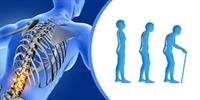
Osteoporosis is a disease that leads to weak bones and is more susceptible to fracture. Osteoporosis is due to a lack of some major minerals in the body, such as: calcium and magnesium, in addition to various other causes. There are some symptoms of osteoporosis that appear in the early stages.
And through this article, we will discuss more about the topic of osteoporosis symptoms, its causes and methods of treatment through Duxpert.
Symptoms of osteoporosis
There are some symptoms that you can feel if you have osteoporosis
Constant feeling of severe pain in the spine, neck and back.
The appearance of curvature or curvature in the back, especially in the upper back, and shortness of breath.
Weak hand grip is one of the main symptoms of osteoporosis.
Feeling of back pain as a result of a fracture or erosion of the vertebrae.
Short stature due to curvature of the posture
Ease of exposure to bone fractures than normal as a result of exposure to osteoporosis.
Weak nails and osteoporosis as a result of a problem with bone health, which is a symptom of osteoporosis.
General weakness in bone strength.
Causes of osteoporosis
Osteoporosis is due to several reasons, including
Malnutrition is one of the most common causes of osteoporosis as a result of not eating healthy foods that contain key minerals that strengthen bones.
Exposure to different types of infections, such as: inflammation in the joints and rheumatoid inflammation, which leads to symptoms of osteoporosis.
Weakness and lack of movement and lack of exercise leads to exposure to symptoms of osteoporosis.
Vitamin D deficiency is one of the main reasons that lead to the inability to absorb calcium well inside the body, which weakens the health and strength of bones and exposes them to osteoporosis.
Excessive smoking leads to a person''s exposure to many health problems, including symptoms of osteoporosis.
Women are more likely to develop symptoms of osteoporosis, especially after they reach menopause and menopause, and this is caused by a decrease in the level of estrogen.
Consuming caffeinated drinks in high proportions and soft drinks that help prevent calcium absorption in the body, which leads to a negative impact on the minerals that the body needs and exposes you to symptoms of osteoporosis.
Depression affects muscle health and weakens muscle mass in the body, causing symptoms of osteoporosis.
Aging leads to symptoms of osteoporosis.
Family medical history and genetic factors in osteoporosis.
Methods for diagnosing osteoporosis
There are several methods that an orthopedic doctor with "Duxpert" uses to diagnose osteoporosis, including:
Medical examination and medical history of osteoporosis symptoms. A test to measure the ability of the bones to absorb calcium and measure the density and mass of bones, especially the bones of the spine, or thigh. Examination using X-rays to detect symptoms of osteoporosis. Measure the level of vitamin D in the body.
Types of osteoporosis
There are two types of osteoporosis
primary osteoporosis
This type of primary osteoporosis is more common, especially in postmenopausal women, as a result of low estrogen levels and also occurs in elderly men. Low bone density and low calcium and vitamin D levels are one of the most important causes of osteoporosis symptoms.
secondary osteoporosis
This type affects fewer women and men and is less common. Examples of disorders that may occur as a result of secondary osteoporosis symptoms, including chronic kidney disease and hormonal disorders.
Methods for treating osteoporosis
Treatment methods for osteoporosis symptoms vary from person to person according to the type and nature of the condition, and the following treatment methods are:
drug therapy
Where medications work to avoid the complications of osteoporosis symptoms
Description of osteoporosis drugs such as bisphosphonates, examples of which are
Alendronate
ibandronate
risedronate
zoledronic acid
Prescribing medications to compensate for low estrogen levels It helps reduce the speed of bone mass loss, especially after the woman has passed the menopause.
Denosumab helps reduce bone loss and improve bone strength, especially after menopause.
Prescribe Calcitonin This type helps reduce the speed of bone mass loss and the symptoms of osteoporosis.
Prescribing hormone-related drugs to compensate for the lack of estrogen in postmenopausal women.
Ways to prevent symptoms of osteoporosis
There are several ways to maintain bone health and strength, starting in childhood, and using proper methods to maintain bone health and strength:
In the beginning, the child must be prepared to follow a healthy diet Getting enough nutrients from protein and calories, as well as calcium and vitamin D, are all essential factors that help maintain the formation and strength of bones and increase their mass and density. Calcium intake, which is necessary for all women, especially after menopause, whether it is in food sources, such as: milk and dairy products, such as cheese, or eating green vegetables such as: turnip and broccoli, or by taking some supplements such as: calcium To maintain bone health. It is necessary to quit smoking, stop drinking alcohol and reduce caffeine intake, because caffeine intake can greatly affect the absorption of calcium from the body, exposing the bones to symptoms of osteoporosis. Pay attention to regular physical activity to maintain bone density and strength, work to strengthen muscles, maintain balance and body health, and work to reduce the chances of falls and fractures. Avoid falling by wearing comfortable boots with rough surfaces, while working to provide adequate lighting in all corners and areas inside the house and at stairs. Walking on soft or exposed surfaces should be avoided. Attention to continuous follow-up and conduct the necessary tests to detect symptoms of osteoporosis. Supplying the body with vitamin D to maintain bone density and strength to absorb calcium. This type of vitamin can be obtained when exposed to sunlight for at least 15 minutes a day, and vitamin D can also be obtained by eating foods containing vitamin D, which are found in eggs. Fish and milk fortified with vitamin D.