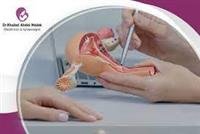
Overview A vaginal hysterectomy is a surgical procedure to remove the uterus through the vagina.
During a vaginal hysterectomy, the surgeon separates the uterus from the ovaries, fallopian tubes, and upper part of the vagina, as well as from the blood vessels and connective tissue that support it, before removing it.
A vaginal hysterectomy takes a shorter hospital stay, is less expensive and has a shorter recovery period compared to an abdominal hysterectomy that requires an incision in the lower abdomen. However, depending on the size and shape of the uterus or the reason for the surgery, a vaginal hysterectomy may not be possible. Your doctor will talk to you about other surgical options, such as an abdominal hysterectomy.
A hysterectomy often includes removal of the cervix as well. When the surgeon also removes one or both ovaries and fallopian tubes, this procedure is called a total hysterectomy with salpingo-oophorectomy. All of these organs are part of the reproductive system and are located in the pelvis.
Why is this done
A vaginal hysterectomy treats many gynecological problems, including
fibroids Many hysterectomies are performed to permanently treat those benign tumors in the uterus that may cause persistent bleeding, anemia, pelvic pain, pain during intercourse, and pressure on the bladder. For large fibroids, you may need surgery in which the uterus is removed through an incision in the lower abdomen (abdominal hysterectomy).
Endometriosis. This condition occurs when the tissue lining the uterus (endometrium) grows outside the uterus, reaching the ovaries, fallopian tubes or other organs. Most women with endometriosis have a laparoscopic, robotic or abdominal hysterectomy, but sometimes a vaginal hysterectomy is an option.
Adenomyosis. This condition occurs when the tissues that normally line the uterus grow into the uterine wall. This results in the enlargement of the uterus, pain during and heavy menstruation.
Female reproductive system cancer. If you have cancer of the uterus, cervix, endometrium or ovaries, or if you develop precancerous changes, your doctor may recommend a hysterectomy. In most cases, ovarian cancer is treated with an abdominal hysterectomy, but sometimes a vaginal hysterectomy is an option for women with cervical or endometrial cancer.
Uterine prolapse. If the tissues and ligaments that support the pelvis are weak or stretched, the uterus may sag into the vagina, causing urine leakage, pelvic pressure or difficulty in defecation. Hysterectomy and repair of supportive tissues may relieve these symptoms.
Abnormal uterine bleeding. If medications or a less invasive surgical procedure can''t control irregular, heavy or prolonged periods, a hysterectomy may be needed.
Chronic pelvic pain. If your pain proves to be a problem with your uterus, a hysterectomy may be a helpful option, but it''s only used as a last resort. Chronic pelvic pain can have several causes, which is why an accurate diagnosis is necessary before a hysterectomy is undertaken.
In most of these cases, with the possible exception of cancer, a hysterectomy is one of several treatment options. You may not need to consider a hysterectomy if medications or minimally invasive gynecological procedures are able to control your symptoms.
But you won''t be able to get pregnant after a hysterectomy. Therefore, if you are unsure whether you are ready to give up your fertility, other treatment options should be considered.
Risks
Although a vaginal hysterectomy is generally safe, any surgery has risks. The risks of a vaginal hysterectomy include:
heavy bleeding
Blood clots in the legs or lungs
infection
Damage to surrounding organs
Negative effects of anesthesia
Due to severe endometriosis or scar tissue (pelvic adhesions), the surgeon may have to remove the hysteroscopy laparoscopically or through the abdomen instead of the vaginal hysterectomy.
How to prepare
It''s normal to feel nervous about having a hysterectomy like any other surgery. Here''s what you can do to get ready:
Data collection. Get all the information you need before surgery to feel confident about surgery. And ask your questions to the doctor and surgeon concerned with your case.
Follow your doctor''s instructions about medications. Find out if you should take your usual medications in the days before your hysterectomy. Be sure to tell your doctor what over-the-counter medications, nutritional supplements or herbal formulations you''re taking.
Discuss anesthesia options. You may prefer to have a general anesthetic that makes you completely unconscious during surgery, but a local anesthetic — called a spinal or epidural block — may be an option. During a vaginal hysterectomy, local anesthesia blocks feeling in the lower half of your body. With general anesthesia, you will be completely asleep.
Arrange for help. Although you''re likely to wake up after a vaginal hysterectomy in a shorter time than after an abdominal hysterectomy, this still takes time. So, ask someone to help you at home for the first week or so.
Laparoscopic or robotic hysterectomy
You may be a candidate for a laparoscopic-assisted vaginal hysterectomy or a robotic hysterectomy. These two procedures allow the surgeon to remove the uterus through the vagina, while at the same time being able to view the pelvic organs through a thin imaging tool called a speculum.
The surgeon performs the bulk of the procedure through small openings in the abdomen, using long, thin surgical instruments ed through these openings. Then the surgeon removes the uterus through an opening in the vagina.
Your doctor may recommend a laparoscopic-assisted vaginal hysterectomy or a robotic hysterectomy if you have scar tissue in your pelvic organs from previous surgeries or endometriosis.
After the operation
After surgery, you''ll be taken to the recovery room for an hour or two, where you''ll stay in the hospital the night after the operation. Some women can go home the day of surgery.
You will receive a sedative. Your health care team will encourage you to get up and move around as soon as you can.
It''s normal to have a bloody vaginal discharge for a few days to weeks after a hysterectomy, so you''ll need to wear sanitary pads.
How will you feel physically?
Recovery after a vaginal hysterectomy takes less time and has less pain than after an abdominal hysterectomy. Full recovery may take three to four weeks.
Don''t lift any heavy weights - any more than 20 pounds (9.1 kg) - or have vaginal intercourse for 6 weeks after surgery, even if you feel well.
Call your doctor if the pain worsens, or if you experience vomiting, nausea, or bleeding more than your period.
What will you feel emotionally?
After a hysterectomy, you may feel relief because of the heavy bleeding or pelvic pain.
Most women do not experience a change in sexual function after a hysterectomy. But others may feel an increase in sexual satisfaction after a hysterectomy, and this may be because they do not feel pain during intercourse.
You may feel loss and grief after a hysterectomy, which is normal. Or you may experience depression related to the loss of fertility, especially if you are young and hoping to become pregnant in the future. If sadness or negative feelings affect your enjoyment of your daily life, talk to your doctor.
Results
You won''t have periods and you won''t be able to get pregnant after a hysterectomy.
If your ovaries have been removed and you haven''t yet reached menopause, menopause will begin immediately after surgery. You may develop symptoms such as vaginal dryness, hot flashes and night sweats. Your doctor can prescribe medications to treat these symptoms. Your doctor may also recommend hormone therapy even if you don''t have symptoms.
If your ovaries were not removed during surgery — and you had a menstrual cycle before surgery — your ovaries will continue to produce hormones and eggs until you reach the age of natural menopause.