
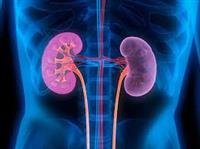
Urinary tract infections begin with the lower urinary tract and may reach the kidneys.
Women are more susceptible to it than men.
The infection is caused by the transmission of bacteria from the anus or urinary catheter into the urethra.
Kidney stones and female contraceptive devices may cause urinary tract infections.
It rarely causes complications if treated appropriately.
Drinking a lot of water is the most important element to prevent urinary infections.
an introduction
The urinary system is divided into two parts: upper and lower, from the kidneys to the ureter is known as the upper urinary section, and from the bladder to the urethra (urethra) is known as the lower urinary section.
Urinary tract infections
It is a common bacterial infection that affects the lower urinary section, and it may affect the entire urinary system up to the kidneys, and it can affect all age groups, but women are more susceptible to it than men due to the shortness of the urethra, and half of women may get urinary infections at least once during their life .
Types of urinary tract infections
Urethritis (urethritis) only.
Inflammation ascending to the bladder.
Inflammation in the kidneys.
the reasons
Infection often occurs because bacteria from the anus or urinary catheter, for example, are transferred into the urethra.
Symptoms
UTIs often have no symptoms, but if they do, they may include
A sudden, strong need to urinate.
Burning sensation with urination.
Frequent urination, but in small amounts.
Urine is cloudy or bloody and has a strong odor.
Pelvic pain (in women).
Symptoms may vary depending on the type of infection
Inflammation of the urethra (urethra) only Inflammation going up to the bladder Inflammation going up to the kidneys
A burning sensation during urination and secretions may appear with it
Pelvic pain.
lower abdominal pain
Frequent urination with pain.
Appearance of blood with urine.
Upper back and sides pain.
high temperature
Feeling cold and shivering.
Nausea and vomiting.
When to see a doctor
Symptoms are similar to cystitis and above (upper part).
If symptoms are severe and getting worse.
Inflammation is frequent.
Diagnosis
The diagnosis is made by taking a medical history and clinical examination, and the diagnosis may require medical procedures to confirm the presence of infection and exclude other diseases, such as urinalysis and urine culture to determine the type of bacteria.
Diagnosis may also require x-rays to ensure the integrity of the urinary system and to ensure that it is free of stones.
Examination of the bladder using an endoscope to ensure its integrity.
Risk factors
Obstruction of the urethra, such as the presence of kidney stones.
Difficulty emptying urine completely.
Female contraceptive devices.
Urinary catheter.
Enlarged prostate in males: It prevents complete emptying of urine and affects the direction of urine output.
Categories most at risk
pregnant women.
People with diabetes.
Those with a weakened immune system.
Children, especially those born with congenital problems in the urethra.
Kidney transplant patients.
Complications
It rarely causes complications if the infection is properly treated. If left untreated, it may cause the following complications:
Recurring infection.
Permanent kidney damage.
In pregnant women, the risk of premature birth may increase.
Urethral narrowing in men in case of repeated infection.
It may lead to blood poisoning.
treatment
Urinary tract infections are treated with antibiotics based on the decision of the treating physician in addition to pain relievers.
protection
Drink more fluids.
Keep the area clean and sterilized, and stay away from aromatic sterilizers.
Go to the bathroom immediately when you feel the urge to urinate.
For women, stay away from contraceptive devices and replace them with chemical methods such as medicines.
The cleaning process should be from front to back after urination or defecation.
Bladder emptying after intercourse.
common questions
1. Does cranberry juice or capsules protect against urinary tract infections?
Cranberries change the alkalinity of urine, making it more acidic, so one theory says that some (but not all) types of bacteria that thrive in an alkaline environment may reduce their reproduction, as some small studies indicate that it may reduce inflammation, but the scientific evidence for its effectiveness is not Existing.
wrong concepts
Only women get UTIs.
Everyone is susceptible, including men and children, but women are more susceptible.