Gestational diabetes is a disorder of glucose tolerance, or true diabetes that appears or is first diagnosed during pregnancy.
Six weeks after delivery, the woman''s condition must be re-identified according to one of the following categories:
diabetes.
Impaired fasting glucose - IFG.
Impaired glucose tolerance (IGT).
In gestational diabetes, as in cases leading to the onset of type 2 diabetes, insulin secretion alone is unable to overcome insulin resistance, which makes it generally appear in the second and third trimesters of pregnancy.
Symptoms of gestational diabetes
The vast majority of women with gestational diabetes do not have any symptoms of the disease. Some of them may notice the following symptoms:
Excessively thirsty.
Hunger than usual.
The need to urinate too much.
Causes and risk factors for gestational diabetes
Here are the main causes and risk factors for gestational diabetes.
1. The cause of gestational diabetes
During pregnancy, hormonal changes occur that make it difficult to tolerate glucose. Pregnancy causes a physiological stress in the woman''s body, leading to a rise in stress hormones, adrenaline, and cortisol. Both of these hormones work to a certain degree in all humans all the time, and part of One of their effect is to raise the level of glucose in the blood.
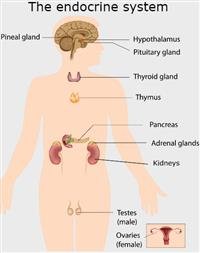
In cases of stress, their secretion increases, and therefore the level of glucose in the blood rises among other hormones that raise blood sugar. We find glucagon secreted by the pancreas (Pancreas), in addition to pregnancy-specific hormones secreted by the placenta (Placenta).
These hormones raise the level of glucose (hyperglycemia) in the blood and interfere with the activity of insulin.
Some researchers at Helsinki University Hospital evaluated 391 women who gave birth between 1984 and 1994 at a university hospital as they developed gestational diabetes, as researchers discovered that there are some autoantibodies in early pregnancy that may be the cause.
2. Risk factors
Here are the main risk factors
Women who develop gestational diabetes are older.
Women who are overweight.
Women who have had gestational diabetes in the past.
The presence of the problem of polycystic ovaries in the patient.
Having a family history of diabetes.
Complications of gestational diabetes
The development of gestational diabetes during pregnancy exposes pregnant women and their fetuses to possible risks.
The most important complications of diabetes, which appear late in pregnancy
The birth of a baby with gigantism (Large for Gestational age - LGA).
Polyhydramnios.
Infection of the child with respiratory distress syndrome (Hyaline Membrane Disease).
Caesarean section surgery.
Chronic high blood pressure in the mother.
Increased risk of diabetes in the future mother.
There is no excessive risk of malformations, because the fetus''s organs are fully developed at the end of the first trimester of pregnancy before the onset of gestational diabetes.
Diagnosis of gestational diabetes
The diagnosis is made through a glucose tolerance test (GCT - Glucose Challenge Test).
Before undergoing the examination, you must maintain a diet rich in carbohydrates (Carbohydrate), which is more than 150 grams per day, for a period of no less than three days, and you must also refrain from smoking and physical exertion.
The glucose concentration is checked before drinking glucose, one hour after, and two and three hours after drinking 100 grams of sugar.
Two abnormal postural checks are required to define the condition as gestational diabetes.
The normal maximum values for glucose are
When fasting: 95 mg/dL.
After 1 hour: 180 mg/dL.
After 2 hours: 155 mg/dL.
Three hours later: 140 mg/dL.
gestational diabetes treatment
From the moment of diagnosis, treatment depends on lamb-specific nutrition that is low in sugar available.
If the desired HbA1c levels of less than 6% are not achieved, then insulin should be added, as it is the only drug approved today to lower glucose levels in pregnancy.
Prevention of gestational diabetes
The most important ways to prevent gestational diabetes are
The pregnant woman made sure to remain in an active state.
Eat healthy food.
Lose excess weight.