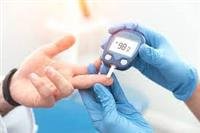
Diabetes refers to a group of diseases that affect how the body uses blood sugar (glucose). Glucose is essential to your health Because it is an important source of energy for the cells that make up muscles and tissues. It is also the main energy source for the brain.
The underlying cause of diabetes varies by type. But, no matter what type of diabetes you have, it can lead to an increase in your blood sugar. Having too much sugar in the blood can lead to serious health problems.
Chronic diabetes conditions include type 1 diabetes and type 2 diabetes. Treatable diabetes conditions include prediabetes and gestational diabetes. Prediabetes occurs when the blood sugar level is higher than normal, but not high enough to be classified as diabetes. Prediabetes is often a precursor to developing diabetes unless appropriate measures are taken to prevent its progression. Gestational diabetes occurs during pregnancy, but women with it may recover after giving birth.
Symptoms
Symptoms of diabetes vary, depending on how high your blood sugar is. Some people, especially those with prediabetes or type 2 diabetes, may not have symptoms. In type 1 diabetes, symptoms tend to come on quickly and be more severe.
Here are some of the signs and symptoms of type 1 and type 2 diabetes
extreme thirst
frequent urination
feeling very hungry
Unexplained weight loss
Presence of ketones in the urine (ketones are a byproduct of the breakdown of muscle and fat that occurs when there is not enough insulin available)
fatigue
ease of arousal
blurred vision
Sores are slow to heal
Frequent infections, such as skin infections or vaginal infections
Type 1 diabetes can develop at any age, although it often appears during childhood or adolescence. Type 2 diabetes, the most common type, can develop at any age, although it''s more common in people over age 40.
When do you visit the doctor?
If you suspect that you or your child may have diabetes. Call your doctor if you notice any of the possible symptoms of diabetes. The earlier the condition is diagnosed, the faster treatment can begin.
If you have already been diagnosed with diabetes. After you receive your diagnosis, you''ll need close medical follow-up to keep your blood sugar levels in order.