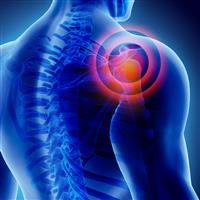

Neuromuscular disease is a disorder that affects the muscles and the nerves that control them. Neuromuscular disorders are conditions caused by impaired neural activity of the nerves that control voluntary muscle activities. Children with neuromuscular disorders have muscle pain or weakness, muscle twitching, cramps, numbness, tingling, or muscle stiffness that causes joint abnormalities, and sometimes difficulty swallowing and breathing. Neuromuscular disorders in children may arise at the time of birth or may develop at later stages.
Malfunctions in the different components of the lower motor neurons can lead to various disorders.
Imbalance in the surrounding nerves and muscles
Cerebral Palsy: Cerebral palsy occurs in infants or during early childhood, and affects body movements, balance, posture, and muscle coordination. It comes as a result of damage to one or more parts of the brain, which controls muscle movement. Children with cerebral palsy are more likely to have delayed developmental milestones such as sitting, rolling, crawling or walking. Among the methods of treatment prescribed to them: physical therapy, occupational therapy, the use of specialized methods, and drugs that reduce convulsions and prevent seizures. In certain cases, surgical intervention is required to cut some nerves.
Neuromuscular dysfunction
Myasthenia gravis: An autoimmune disorder in which your child''s immune system makes antibodies that block the signals sent by the brain to the muscles. Children with myasthenia gravis often have problems with eye and eyelid movement, facial expression, chewing, swallowing, and lifting their head. Medications are prescribed to help improve the neuromuscular transmission and increase muscle strength. Sometimes, thymectomy, a surgical procedure to remove the thymus gland, helps reduce symptoms.
Congenital Myasthenic Syndrome (CMS): This condition causes general weakness in the voluntary muscles and muscle fatigue involving all the muscles that control movement, eye movement, swallowing and breathing.
Peripheral nerve abnormalities
Charcot-Marie-Tooth disease: Charcot-Marie-Tooth disease is a genetic nerve disorder that affects the peripheral nerves. This condition is caused by a defect in genes for proteins involved in the structure and functioning of either the peripheral axon (the nerve fibers that conduct impulses) or the myelin sheath (the insulating layer around nerves). Children with this condition often suffer from muscle weakness and wasting, as well as some loss of feeling in the feet, legs, hands, and forearms. The weakness may include deformities of the foot.
Dejerine Sottas disease: This is an inherited neurological disorder that causes the slow development of early motor achievements. The progression of the disease changes and is often associated with pain, weakness, numbness, tingling or a burning sensation in the legs.
Dejerine Sotas disease
This is an inherited neurological disorder that causes the slow development of early motor achievements. The progression of the disease changes and is often associated with pain, weakness, numbness, tingling or a burning sensation in the legs.
inflammatory myopathy
Inflammatory myopathy is a group of muscle diseases that involve chronic muscle inflammation and weakness. It is an autoimmune disorder in which the body''s white blood cells are attacked by their own immune system. Patients with inflammatory myopathy may experience slow but gradual weakness that begins in the proximal muscles.
Dermatomyositis: Dermatomyositis is characterized by a reddish or purple rash, painful calcium nodules under the skin, muscle pain, and progressive weakness of the muscles in the thighs, upper arms, upper back, shoulders, and neck muscles.
Myositis: Myositis is the inflammation of the skeletal muscles located on both sides of the body. Its symptoms include progressive muscle weakness in the neck, throat, shoulders, and thighs.
muscle atrophy
Muscular dystrophy refers to a group of genetic diseases that weaken muscles associated with movement. It is caused by a deficiency of a muscle protein called dystrophin. There is no specific treatment for any form of muscular dystrophy, but some medications, physical therapy and assistive devices can slow the progression of some forms. Muscular dystrophy can occur in infancy or childhood. The main forms of muscular dystrophy include:
Duchenne muscular dystrophy: This is the most common type of muscular dystrophy that only affects boys between the ages of 2 to 6 years. The condition is characterized by generalized muscle disorder and weakness that primarily affects the quadriceps, pelvic region, thighs and shoulders, and involves all voluntary muscles.
Becker muscular dystrophy: There is a similarity between this type and Duchenne muscular dystrophy, and it generally occurs between the ages of 2 and 16 years, and may appear as late as the age of 25 years. Children with this condition show general weakness and wasting of the muscles of the thighs, pelvis, thighs and shoulders, as well as an enlarged calf and complications in the heart.
Emery-Dreyfus muscular dystrophy: The condition usually appears from childhood to the early teenage years and affects only boys. It is characterized by weakness and weakness in the shoulders, upper arms and leg muscles, and may cause joint deformities and heart complications.
Facial, shoulder, and bite muscular atrophy: This condition usually occurs during adolescence to early adulthood, and affects both boys and girls. This condition causes muscle weakness and wasting around the eyes, mouth, shoulders, arms, and legs.
Muscular dystrophy: Muscular dystrophy is called Steinert''s disease. This condition leads to an inability to relax the muscles and muscle weakness.
Congenital muscular dystrophy: This form of muscular dystrophy occurs at birth. The condition is characterized by general muscle weakness and joint deformities.
Motor neuron diseases
Spinal muscular atrophy is a genetic disease that attacks nerve cells known as motor neurons and is characterized by progressive muscle degeneration and weakness.
Spinal muscular atrophy: Spinal muscular atrophy is the most severe form of spinal muscular atrophy. Infants with this condition have poor muscle tone, progressive weakness, lack of head control, and problems swallowing, sucking, and breathing.
Moderate spinal muscular atrophy: Children with moderate spinal muscular atrophy (type 2) may have weakness in the arms, legs, upper and lower roots, and often have joint abnormalities.
Spinal muscular atrophy (type 3): This is the least severe form of spinal muscular atrophy and is characterized by weakness in the leg, shoulder, arm, and respiratory muscles.