What are the side effects of bariatric surgery?
Side effects of weight-loss surgery may include
bleeding
infection
leaking from the site where the sections of the stomach, small intestine, or both are stapled or sewn together
diarrhea
blood clots NIH external link in the legs that can move to the lungs or heart
Follow-up interventions, surgery, and hospitalizations are relatively common within 5 years of weight-loss surgery, affecting about one-third of patients. Follow-up procedures are required more frequently after gastric bypass compared with gastric sleeve.9
Rarely, surgery-related problems can lead to death.
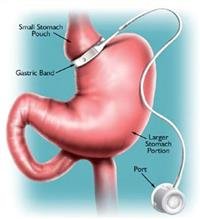
Other side effects may occur later. Your body may not absorb enough nutrients, especially if you don’t take your prescribed vitamins and minerals. Not getting enough nutrients can cause health problems, such as anemia and osteoporosis NIH external link. Gallstones can occur after rapid weight loss. Some health care professionals prescribe medicine for about 6 months after surgery to help prevent gallstones. Gastric bands can move out of position or erode into the stomach wall and need to be removed.
Other problems that could occur later include strictures and hernias. Strictures—narrowing of the new stomach or the connection between the stomach and small intestine—make it hard to eat solid food and can cause nausea, vomiting, and trouble swallowing. Health care professionals treat strictures with special instruments to expand the narrowing. Two kinds of hernias may occur after weight-loss surgery—at the incision site or in the abdomen. Hernias can be repaired with surgery.
Some research suggests that weight-loss surgery, especially gastric bypass, may change the way your body absorbs and breaks down alcohol and may lead to more alcohol-related problems after surgery.