
modern methods
Yesterday evening, Thursday, the work of the First International Conference on Breast and Endocrine Surgery concluded, which held its scientific sessions over two consecutive days in the city of Tabuk in the northwestern region of the Kingdom. The conference discussed the latest developments and presented papers, research and rare cases that had previously been presented in the Kingdom''s hospitals specialized in the field of cancer treatment, and the conference was attended by more than 350 participants.
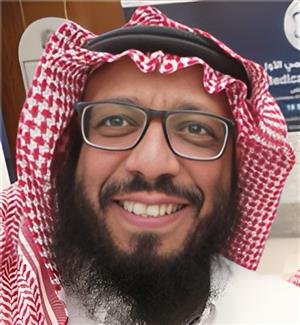
Your Health hosted the President of the Conference and Chairman of the Organizing Committee, Dr. Yousef Saleh Al-Alawi, Director of Surgery Departments and Consultant of Breast Cancer and Endocrine Surgery at King Salman Armed Forces Hospital in the Northwest, Tabuk. He explained that the most important developments in breast tumor surgery were reviewed, and global recommendations for breast cancer follow-up were discussed. Thyroid surgery methods in developed countries, treatment of rare cases with international speakers and experts. The studies and research conducted in Saudi Arabia were also discussed, and experiences were exchanged on how to locate the parathyroid glands in difficult cases. Dr. added. Al-Alawi said that there were two workshops held before the scientific sessions of the conference, the first was about breast restoration and the second was about breast ultrasound and sampling.
Cancer Studies
Dr. added. Al-Alawi said that the conference witnessed a meeting of Saudi doctors specializing in breast and endocrine surgery, which resulted in their recommendation to establish a “Saudi Society specialized in breast and endocrine surgery” to contribute to setting international standards and recommendations for this specialty and to hold an annual meeting to discuss global developments in this field.
At the conference, 30 scientific papers were presented, 10 of which were delivered in two scientific sessions, and there were 27 scientific lectures and 8 surgical operations in eight sessions. Here are the most important developments and recommendations:
Presenting a general perception of breast and thyroid cancer, where breast cancer in the Kingdom was discussed, its prevalence, tumor type (heredity), the most affected regions of the Kingdom (Eastern - Western - Riyadh), the most affected age (52 years), and the genetic chromosome of the tumor in the Kingdom compared In countries of the world to give an idea of the extent of the problem we have, especially since most tumors are diagnosed in advanced stages and at young ages. Topics also discussed:
Thyroid cancer in the Kingdom, the type of tumors, their spread, and knowledge of most of the causes of this cancer (iodine deficiency and exposure to radiation), and that it constitutes the second highest rate of cancers in women.
Comparison between the methods of treating breast cancer by the European Society and the American Breast Cancer Society and the extent to which their methods are used in treating cancer cases and the development of a global mechanism for treatment methods.
Addressing the contributions of Muslim surgeons, such as the Muslim scientist Al-Zahrawi, who is called “the father of modern medicine”, and the extent to which the world benefited from the beginnings of surgery in the era of the development of medicine in the Islamic era and how it affected modern medicine.
breast cancer
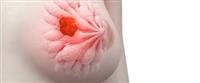
Dr. Youssef Al-Alawi indicated that breast cancer is the most common cancer among women in the world, with a rate of 22 percent in all cases, and in the year 2000 the number of cases was estimated at 1,050,346 cases in developed countries. In Saudi Arabia, the number of new cancer cases was 2741. It was found that about 19.9 percent of cancer in women is breast cancer, and thus it ranks first among all types of cancer. The difference between the United States and Arab countries, including Saudi Arabia, lies in the age of the patient and the stage of the disease when it was discovered.
In the United States, we find that 50 percent of new breast cancer cases occur in women over the age of 65, while in Arab countries, including Saudi Arabia, they occur (early) at the age of 52 years. In terms of the stage of the disease, in developed countries, the disease is detected in more early stages, while in developing countries, large numbers are still diagnosed in late stages, which leads to the possibility of mastectomy more than preserving it.
The cure rate of breast cancer reaches 90% in the case of early detection, as the treatment of breast cancer is witnessing developments at the global level, whether in surgical, chemotherapy, radiation or hormonal treatment, depending on the type and stage of the tumor.
thyroid cancer
Dr. says. Al-Alawi said that it is one of the rare types, and it is common among women, and is considered the second after breast cancer, and it often occurs at the age of over thirty, but not every enlargement of the gland means that it is cancer, as most breast and thyroid tumors are benign. It is advised to consult a doctor early to confirm the diagnosis and then determine the appropriate treatment. In the event the patient needs surgery, there are several global and advanced methods, some of which are available and some are under study. Now, robots or endoscopes are used to treat some cases according to the size and the doctor’s knowledge and training.
From this standpoint, the conference hosted 8 expert speakers from America, France, Italy, Korea and Spain, in addition to 15 Saudi speakers, to enrich the scientific content of the conference and benefit from their experiences.
Treatment Updates
First - developments in the treatment of breast cancer
Determining the biology of breast cancer in its early stages and knowing its genetic characteristics, helps in how to deal with the tumor and develop proper plans for its treatment.
Surgically dealing with cancer and reducing the healthy boundaries of the tumor to less than 2 mm in the case of removing the tumor to reduce the recurrence of the tumor in the breast or its spread, according to the latest research.
Some tumors need to take chemotherapy before removing the tumor, which helps to preserve the breast and reduces the removal of lymph nodes and thus reduces the occurrence of swelling in the hands. It has become common knowledge that it is preferable to give chemotherapy before surgery in the most advanced tumors. New studies in this field have been reviewed and agreed upon by Surgical Oncology Societies and Colleges.
Second - developments in the treatment of thyroid cancer
New methods of oral or axillary gland removal using a robot and a surgical endoscope, with defining its features and the type of patient benefiting from it.
Discussing advanced thyroid cancer treatment methods.
Third - Updates in Parathyroid Diseases
New methods for locating the parathyroid gland for some difficult cases and how to deal with it, and knowing the enlarged gland among the four glands to be removed individually instead of all of them, which helps in making the surgical opening smaller than 3 mm, and this is done using new methods such as scanning with technisium material Loaded with sestamib (a radioactive isotope), nuclear tomography with x-ray tomography at the same time.
Recommendations for studying cases before the operation, which reduces the rate of not knowing the location of the gland and not exposing the patient to another operation, as well as discussing the best new types of x-rays in determining the location of the gland affected by the tumor.
Oral gland excision and the use of a robot or a surgical endoscope as a modern, globally used and safe method.
Fourth - developments in adrenal gland surgery
The correct procedures in dealing with gland tumors discovered by chance during the examination of the patient with a CT scan of the abdomen and to ascertain the functions of the adrenal gland, and whether the tumor was a cause of high blood pressure.
Robotic surgery of the adrenal glands through the abdomen or behind the abdomen in more than one new way and how it is performed.
View surgical operations to eradicate them.
Offer surgeries for rare cases in order to benefit from the expertise of specialized surgeons.
breast reconstruction
Fifthly - Breast reconstruction
Understand the basics and methods of breast reconstruction for breast cancer patients, and know the complications of operations and ways to treat them.
Presentation of surgical procedures for breast restoration methods according to the location of the tumor.
Recurrent breast infections, their causes and modern treatment methods.
During the conference, two workshops were organized. The first dealt with issues of breast restoration in theory and practice, and surgical methods in preserving the breast and limiting the removal of the cancerous tumor only, with a focus on the final shape of the breast from a cosmetic point of view, as it has a specificity for women.
And studied cases with breast cancer to choose the best surgical methods for removal of the breast with reconstruction. The methods of breast reduction were presented to the healthy, unaffected side of cancer patients so that it is equal to the affected side after surgery
And types of breast implants and expanders and ways to use them.
As for the second workshop, it was under the title “Breast Ultrasound and How to Take Samples.” It dealt with how to perform an ultrasound of the breast and know the possible signs of breast cancer to take the sample to make sure that there is no cancerous tumor, which helps to diagnose cases early, especially imperceptible or tumors in their early stages. As well as training on how to take samples for doctors, whether they are surgeons or radiologists, and training in the removal of benign tumors by the vacuum method and with the help of ultrasound.