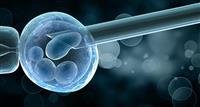
Genetic screening of the embryos before implantation is a technique used to identify genetic defects in embryos created through in vitro fertilization (IVF). This technique is used when one or both parents has a known genetic defect, tests are performed on the fetus to determine if it’s carrying the same genetic defect.
Alternative diagnostic procedures can be carried out after pregnancy such as taking biopsy from the placenta or a sample of the amniotic fluid between the ages of ten weeks and sixteen weeks of pregnancy. If the test results reveal the existence of a genetic defect in the fetus, choices available to parents are either to continue the pregnancy and have a child with genetic disease or to undergo termination of the pregnancy. A decision to terminate pregnancy may not be an easy one for parents. Genetic screening of the embryos before implantation is accordingly a better option available to avoid having a child with a genetic disease.
Cases that require PGD
1. Couples with a family history of X-linked disorders (have a 25% risk of having an affected embryo, half of male embryos).
2. Carriers of autosomal recessive diseases (risk an embryo may be affected is 25%).
3. Carriers of autosomal dominant diseases (the risk an embryo affected is 50%).
4. Couples with chromosome translocations, which can cause implantation failure, recurrent pregnancy loss, or mental or physical problems in the offspring.
5. Advanced maternal age, the proportion of genetic imbalance increase. this screening reduces the incidence of embryos affected with genetic disruption of chromosomes
How is PGD done?
1. Ovarian stimulation is needed in order to produce multiple eggs. Frequent ultrasonographic examinations and laboratory tests are performed to monitor the development and maturation of eggs.
2. The egg harvesting procedure is typically performed under anesthesia. Under sonographic guidance and a transvaginal approach, follicles in the ovaries are punctured and their fluid aspirated. Eggs are then identified in the embryology laboratory by embryologists. The procedure usually lasts less than 15 minutes.
3. The eggs are then cultured for a few hours after their retrieval in the IVF laboratory to allow for final maturation to occur. Intracytoplasmic sperm injection (ICSI), where a single sperm is injected into a single egg, ICSI prevents the chance of polyspermy and the accidental acquisition of “extra” chromosomal material from the sperm, which can then affect the results of the PGD.
4. Three days after egg retrieval, the embryos can be prepared for biopsy ( there is a small risk that the division of the fetus will stop after taking the biopsy).
Genetic Testing
In most instances, the genetic testing can be completed within 24 hours of the embryo biopsy, allowing for a day 4 or day 5 embryo transfer. Diagnostic accuracy with this technology reaches between 95-97% .
Concerns?
To date, there are no reports of increased fetal malformation rates or other identifiable problems in babies born from IVF with PGD.