
ranked third among all other tumors
International Dental Conference discusses the latest developments in the diagnosis of oral cancers
The Third International Conference of the College of Dentistry, hosted by King Abdulaziz University at the Jeddah Hilton Hotel, continued its work yesterday by holding its fourth scientific session on oral cancers, in the presence of no less than 500 male and female doctors, interested parties and researchers. The participating doctors highlighted the latest developments in the diagnosis and treatment of oral cancers, as the lecture covered the diagnoses Clinical and laboratory studies of precancerous lesions to enable early diagnosis in addition to guidelines for treatment methods currently in use.
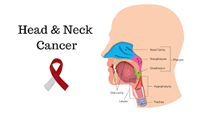
Dr. Basem Tariq Saleh Jamal, a consultant maxillofacial surgeon at King Abdulaziz University Hospital in Jeddah, revealed that oral tumors in the Kingdom rank third among all other tumors, while they rank 12th in Western countries, indicating that the increase in the percentage is due to the high rate of smoking in society. Where studies have shown that smoking is closely related to tumors in general, and tumors of the head, neck and lung in particular.
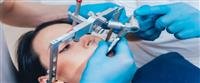
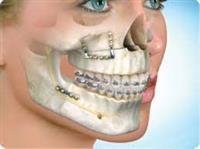
Dr. Basem Jamal, who has the American Board of Oral and Maxillofacial Surgery and a fellowship in head and neck tumor surgery, which is one of the surgical specialties recognized by international health authorities and institutions, added that these surgeries include correcting facial fractures, orthognathic surgeries for cases of facial and maxillofacial deformities, jaw joint surgeries, tumor removal and reconstruction. After excision and correction of congenital malformations such as cleft and palate repair surgeries, as well as dental surgery.
He pointed out the increasing rate of jaw deformities in the Kingdom. The presence of a significant increase or decrease in the size of the jaws or one of them leads to difficulty in matching the teeth and performing the natural function of the jaw. This can be corrected by surgical jaws operations, as well as the increase in the proportion of deformities of the rabbit flat, which requires surgical intervention in several stages. During the growth of affected children.
Dr. Bassem concluded by saying that "surgeries for head and neck tumors require not only excision of the tumor, but also the excision of the lymph nodes in the neck in which these cells spread."
He stressed that those who suffer from mouth ulcers, which are the appearance of pain and numbness in the face, should see a doctor immediately. There is no doubt that public awareness plays an important role in increasing the early detection of the disease, which makes the chances of treating it much better.
After that, general discussions were presented by the participants in the fourth scientific session, where the participating doctors confirmed that the mouth is a common place for benign tumors, the most famous of which is fibroma, and it occurs due to chronic irritation, often arising from the friction of the teeth with the soft tissues in the mouth, and usually It is white in color and there is another type of benign tumor that looks like a cauliflower, which is the papilloma, and it is believed that viruses are the cause.
They stressed that oral cancerous tumors are often associated with tobacco use, which increases the risk of oral cancer in its various forms, or the combination of tobacco and alcohol, which dramatically increases the risk of oral cancer. Oral cancer begins in the form of an ulcer that does not heal or a white patch often accompanied by red areas. color or bump.
They said that early diagnosis is the key to success, and that surgical removal is the most common form of treatment, and radiotherapy may be used to kill the remaining cancerous cells, and chemotherapy is useful if the doctor believes that the tumor has spread to other parts of the body.
The participating doctors presented ways to prevent oral cancer and tongue cancer, noting that about 8 percent of all cancers are located in the mouth and tongue, and most of them are preventable and most of them can be completely cured if treated early.
Doctors put forward several elements to avoid oral cancer, including quitting smoking, especially the pipe, stopping chewing tobacco, abstaining from alcoholic beverages, repairing broken or abnormal teeth, dentures or bad dentures, malocclusion, avoiding biting the cheek and lip, and treating fungi such as Candida albicans and viruses such as papilloma, if any. In addition to proper nutrition, eating more fresh fruits and vegetables (pumpkin, spinach, carrots) to ensure access to vitamin A and because it is rich, and reducing spicy and spicy foods.