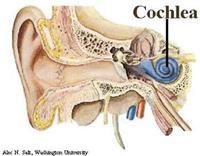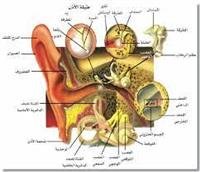
A canaliculus stabilization correction procedure can help relieve benign paroxysmal positional vertigo. Benign paroxysmal positional vertigo is a condition in which you experience short, but severe, episodes of dizziness and lightheadedness when you move your head. Vertigo is usually caused by a problem with the part of the inner ear responsible for balance. Benign paroxysmal positional vertigo occurs when small particles of balance dust (ear dust) in one part of your inner ear are released and fall into the semicircular canals in your inner ear.
The procedure to correct stabilization dust in the canal can move these particles to a part of your ear where they do not cause dizziness. The procedure includes several simple head maneuvers. It can be done in a doctor''s office. The procedure is usually effective and relieves dizziness in approximately 80% of people after one or two sessions of treatment. But the problem may be repeated.
Why is this done
The canal repositioning procedure is done to relieve symptoms of benign paroxysmal positional vertigo. In this procedure, symptomatic particles are moved from the fluid-filled semicircular canals in the inner ear to a place where their presence is not a problem. It is moved to an open, pouch-like area that contains one of the other ear fitting structures. Once transferred, these particles will not cause dizziness and will likely dissolve or be absorbed by the body fluids in your ear again.
Risks
Having ear canal repositioning carries some risks, such as
Neck or back injuries
Particles move to another non-target site, causing dizziness
Having some side effects, such as feeling sick, dizziness and lightheadedness
Be sure to tell your doctor about any health problems you have, such as neck or back problems or advanced rheumatoid arthritis, before the procedure, as this may require postponing the procedure.
How to prepare
There are no special preparations that need to be made for the channel mode reconfiguration process. Wear clothing that allows you to move freely during any of the examinations.
What you can expect
During the operation
The canalith repositioning procedure involves remaining in four positions for about 30 seconds per position, or for as long as you have symptoms when you are in that position. You''ll usually remain in each position for another 30 seconds after your symptoms stop. Your doctor will monitor your eyes to look for abnormal movements during the procedure. The procedure may be repeated three or more times during one treatment session.
The channel mode reset procedure includes the following steps
First, you should move from a sitting to lying position with your head turned to the affected side at a 45-degree angle. Your doctor will help you extend your head over the edge of the table at a slight angle.
Then, while your head is still lying on the edge of the table, you will be asked to slowly rotate your head away from the affected side at about a 90-degree angle.
You have to lean on your side. You should tilt your head slightly while looking down at the ground.
Then finally, carefully return to a seated position with your head tilted down and brought back to the centered position. You will likely need to sit still for about 20 minutes.
After the procedure
After performing the procedure, follow your doctor''s instructions. Your doctor will likely teach you how to perform the procedure on your own so that you can do it at home if necessary. You may need to do these exercises for several days before symptoms disappear.
Results
About 80% of people who undergo this procedure find relief. But if symptoms return, your doctor can repeat the duct reposition procedure. You may need to repeat the procedure several times to relieve your symptoms. Talk to your doctor if your symptoms do not improve.