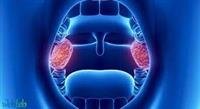
Tonsillectomy aims to remove the tonsil tissue, which consists of a group of lymphoid tissue, in order to prevent the recurrence of tonsillitis, which causes discomfort, pain when swallowing, high temperature, in addition to other inflammatory diseases that affect some parts of the body, such as: joints , heart, and kidneys.
The tonsil operation may also be resorted to in the event of tonsil pressure on the tongue, bad breath, the appearance of an abscess around the tonsil (Peritonsillar Abscess), snoring during sleep, involuntary urination in children, and sleep apnea.
Complications of the operation
Having a tonsillectomy is associated with many risks, such as the following
bleeding.
The sense of taste is damaged.
difficulty speaking
Feeling of discomfort in the throat and the need to cough.
Before the operation
The nose is examined with endoscopy or x-rays, in addition to some other tests, such as: a comprehensive blood count, coagulation tests, blood chemistry, an electrocardiogram, and other tests depending on the patient''s condition.
The patient must know the medications to stop taking before the operation, such as aspirin, and must stop eating and drinking 6 hours before the surgery.
during operation
The patient lies on the surgical bed in such a way that his head is tilted, then the mouth is fixed to remain open with a special device. The traditional surgical technique relies on the use of a device that completely removes the tonsils from the tissues around them.
Tonsillectomy can be performed with an electrocautery device, which reduces the possibility of bleeding, but it causes severe pain after the operation and may lead to some complications, such as: discomfort in the throat, or damage to the tissues adjacent to the tonsils, which makes the healing process more complicated.
After the operation
The patient stays in the hospital until the morning of the next day of the surgery, to ensure that his condition is stable, and recovery is usually within one week.
After the operation, the patient may feel pain when swallowing Therefore, it is recommended to take analgesics when needed, and if the pain is so severe that the patient cannot swallow, he must go to the hospital in order to receive fluids intravenously, and the patient is recommended to eat soft food and moderate heat for a week after removing the tonsils.
The patient must go to the doctor quickly if some symptoms appear, such as: severe pain, bleeding, shortness of breath, high temperature, and purulent secretions from the mouth.