
examinations with (points of care) technology annually
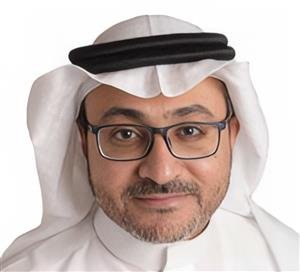
Dr. Tariq Owaida, a consultant hematologist at the Department of Diseases and Laboratory Diagnostics at King Faisal Specialist Hospital and Research Center revealed that the hospital annually conducts more than half a million examinations using Point-of-Care Testing (POCT) technology, of which 15,000 are performed by the patient himself at home.
During the activities of the medical symposium for laboratory analysis, which was opened by the Deputy General Executive Supervisor of King Faisal Specialist Hospital and Research Center, Dr. Othman bin Ahmed yesterday morning, Tuesday morning, Dr. Othman added that the hospital has provided mobile devices that will be automatically linked to the hospital’s electronic system soon, for patients with diabetes and blood fluidity that enable them to conduct examinations on their own. At home, sending the results electronically to the laboratory via the Internet in order to reduce the trouble of going to the hospital to conduct it and speed up the delivery of results to the treating doctor.
He explained that what is meant by the term POCT is that samples are taken from the patient, laboratory analyzes are performed through mobile devices, and the results are shown within a short time in the patient''s location, and this is done in a period not exceeding 20 minutes instead of taking samples from the patient and delivering them to the laboratory, which may It takes a relatively long time to show results, up to two hours, indicating that this method, which includes blood, urine and stool tests, has many benefits, as it can speed up the therapeutic aspect by making decisions related to the patient’s condition early, and reducing the amount of blood withdrawn given that mobile devices need to Only a few s of blood, unlike laboratory devices that need larger amounts. Eight foreign speakers from the United States, Germany and the Netherlands participated in the symposium, which concluded this evening, Wednesday, to discuss the latest developments in point-of-care examinations for patients with fluidity and blood clotting, maintaining qualitative levels of quality in this field, and educating doctors, nurses and laboratory technicians about modern devices.