disease” in the Kingdom
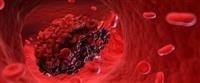
On the sidelines of the celebration of the World Hemophilia Day, which is held on the seventeenth of April each year, Dr. Tariq Mustafa Owaida, consultant and professor of diseases and blood transfusion at Al-Faisal University, said that hemophilia is one of the most famous bleeding diseases, indicating that it is a rare genetic disorder caused by a deficiency or Absence of a clotting factor in the blood, which leads to frequent bleeding and damage to joints and tissues, noting that the disease affects males and in rare cases females, due to the presence of a mutation or the gene causing it on the female X chromosome.
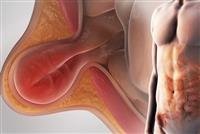
Regarding the symptoms of the disease, Dr. Tariq indicated that they are related to severe cases of the disease and its early stages, explaining that they usually appear in children at the stage of circumcision accompanied by heavy bleeding, especially with cases originally diagnosed in the family. He added that among the symptoms are swelling and pain with a sensation of heat in the joints, internal bleeding that leads to blood accumulation in the area, and sometimes bleeding in the mouth and gums, and frequent nosebleeds. In the same regard, the doctor pointed out the emergence of some mild and moderate cases of the disease in later stages of childhood, accompanied by symptoms in the form of joint injuries, joint bleeding, internal muscle bleeding, and sometimes skin bruises.
In a question about the causes of the disease, Dr. Tariq attributed it to the presence of a genetic disorder in 70-75% of cases that are transmitted from grandparents through females to male children, which results in a lack of factor (8) hemophilia (A) or factor (9) Hemophilia (B), explaining that this deficiency causes the patient to spontaneously bleed or bleed after surgeries or any other operations sometimes.
In another context, Dr. Tariq indicated that approximately 25-30% of cases in which the mutation is new, occur during pregnancy even without a family history of the disease, noting that the reason for this is due to the infection of the pregnant woman with viruses or exposure to radiation that results in the formation of the mutation. transmitted from the child to subsequent generations.
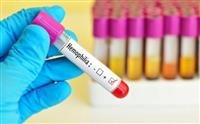
Regarding the diagnosis of the disease, Dr. Tariq said that it is done by conducting the initial test (calculating the clotting time), and then a sample is taken to calculate the factor (8) or the factor (9) in the laboratory to determine the level of the factor whose percentage in a normal person is usually between 80-120 %.
In the same context, Dr. Tariq noted the spread of hemophilia (A) more widely than hemophilia (B), adding that the treatment of the disease is divided into two types, the first is made from blood plasma that is taken from donors to produce Factor (8) in the form of a concentrated powder given intravenously , while the second is manufactured by the factor (8).
At the conclusion of his speech, Dr. Tarek revealed new therapeutic developments for hemophilia that occurred in recent years, where new methods of treatment are taken under the skin weekly or monthly and frequently instead of through the blood, which reduces the incidence of the disease and enhances the patient''s commitment to the mechanism of treatment. Dr. Tarek also referred to another treatment that may be developed soon, represented by gene therapy by giving a single dose that raises the level of the factor over a period of years, which does not require the patient to take therapeutic doses periodically, which heralds a positive impact on the lives of patients and their families.