
What kind of training do pediatric hematologists/oncologists have?
Pediatric hematologists/oncologists have completed
Medical school
Three years of residency training in pediatrics
At least 3 additional years of fellowship training in pediatric hematology/oncology
Certification from the American Board of Pediatrics (or an internationally recognized equivalent)
What types of treatments do pediatric hematologists/oncologists provide?
Pediatric hematologists/oncologists diagnose, treat, and manage children and teens with the following:
Cancers including leukemias, lymphomas, brain tumors, bone tumors, and solid tumors
Diseases of blood cells including disorders of white cells, red cells, and platelets
Bleeding and clotting disorders
Where can I find a pediatric hematologist/oncologist?
Pediatric hematologists/oncologists practice in a variety of settings including children''s hospitals, university medical centers, and large community hospitals.
Remember
Children and teens are not just small adults. Their bodies are growing and have unique medical needs. They usually express their concerns differently than adults do. They cannot always answer medical questions, and are not always able to be patient and cooperative.
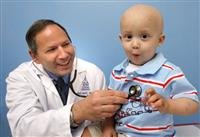
Pediatric hematologists/oncologists know how to examine and treat young children and teens in a way that makes them relaxed and cooperative. Most pediatric hematologists/oncologists'' offices are arranged and decorated with children and teens in mind, and the clinical team has specific experience and expertise in working with these patient populations.
If your pediatrician suggests that your child or teen see a pediatric hematologist/oncologist, you can be assured that your child or teen will receive the best possible care.