The bile duct is the channel that carries liver bile, but blockage can occur in this channel, so what are the symptoms of bile duct obstruction? Bile duct obstruction is a blockage in the ducts that carry bile from the liver to the small intestine through the gallbladder. Learn about the symptoms of a blockage
The bile duct and some other important information as follows
Symptoms of bile duct obstruction
The symptoms of bile duct obstruction may appear suddenly on the affected person, or he may notice them gradually over the years of infection.
Where the symptoms of bile duct obstruction appear as a result of the complications resulting from its obstruction, as follows:
Symptoms caused by the reflux of what the liver produced and excreted in the blood.
Symptoms resulting from the inability of the small intestine to digest fatty substances that the body needs in the process of digestion.
Symptoms resulting from the body''s inability to absorb vitamins and food that needs cholesterol to be transported into the body.
Symptoms of bile duct obstruction generally include
Feeling very itchy.
The skin turns yellow and this condition is called jaundice and is a result of the re-discharge of bilirubin residues in the blood.
Abdominal pain, especially in the upper right region.
Night sweats, fever.
Fatigue and lack of energy to do anything.
Weight loss resulting from a clear loss of appetite.
light colored stools
Dark urine.
Nausea and vomiting.
What is bile duct obstruction?
The liver produces a fluid called liver bile that contains waste products bilirubin, as well as cholesterol and liver bile salts that help the small intestine digest fats.
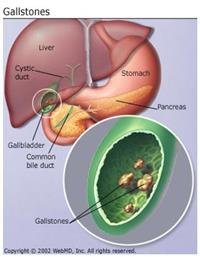
Bile passes through the bile ducts from the liver to the gallbladder where digestive juices are stored, and is transported to the small intestine when needed in the digestion of fat food.
It is worth noting that it is not a single duct, it is a network of ducts to transport liver bile from the liver to the small intestine, passing through the gallbladder.
When one or more of the ducts that carry digestive juices become blocked, this medical condition is known as biliary tract obstruction.
A blockage of the bile duct may lead to a buildup of hepatic bile in the liver and a buildup of bilirubin in the blood, causing symptoms of bile duct obstruction.
Treatment of biliary tract obstruction
In some cases, surgery is used to bypass bile duct obstruction.
Sometimes the gallbladder is surgically removed if the obstruction is caused by gallstones, and the specialist doctor may prescribe antibiotics if a bacterial infection is suspected.
If the blockage is caused by cancer, the duct may need to be widened. This procedure is called laparoscopic dilatation.