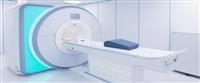
Despite the many benefits of CT scans, its harms are also possible. Here''s an article about CT scan damage. What are the side effects of a CT scan? And what are its prohibitions? Let''s find out: CT scan damages The danger of CT scans lies in exposure to X-ray nuclear radiation that negatively affects brain function.
Sometimes healthy body cells. Here are the main side effects of CT scans
1. An increased risk of cancer
The risk of developing cancer as a result of exposure to a CT scan is very small, about 1 in 2000.
The risk of cancer increases due to CT scans in the event of chronic, long and continuous exposure to CT scans, which may lead to damage and destruction of DNA inside cells, and thus the risk of tumor growth.
But when compared to the many benefits of CT scans compared to the reduced risk of cancer, resorting to its use is important and necessary in some cases.
2. Exposure to damage to the dye used
The colored dye is often injected or drunk before the imaging procedure, so some damage may occur as a result of its use.
Dye damage occurs in 1-12% of patients, and appears within an hour to 7 days after entering the body, some of which are simple and some that are life-threatening.
The most common CT dye damages include the following
blushing.
itchy rash
Cough.
Runny nose.
Dizziness.
Abdominal pain and constipation.
Nausea and vomiting.
Anaphylactic shock and its severe symptoms occur in 0.01-0.02% of patients, and include: swelling of the face, lips and throat, difficulty breathing, and a rapid heartbeat.
3. The effects of CT scans on children
The fear and risk of cancer in children is greater than in adults, due to the stage of growth and development that they go through.
Therefore, the doctor resorts to using the least possible rays to obtain the required results, and the doctor uses CT scans for children only when necessary, and determines the amount of radiation depending on the weight and height of the child or resorting to using other radiological images, such as: ultrasound or magnetic resonance imaging.
Tips when performing a CT scan
Here are the most important tips and warnings when performing a CT scan
Make sure to remove your jewelry and watch before the shoot.
Wear comfortable clothing that is free of buttons, belts, and metal wires.
Avoid performing a CT scan in the event of pregnancy or suspicion of pregnancy before consulting a specialist.
Avoid eating or drinking 6-8 hours before your CT scan.
Stop taking Metformin, which is used by diabetics, according to the doctor''s instructions, because the risk of kidney failure may increase in conjunction with the dye.
Tell your doctor if you are allergic to certain substances or medications, or if you have asthma, emphysema, advanced heart disease, or kidney disease.
Avoid breast-feeding your baby for 24-48 hours after the CT scan with the dye.
CT scan advantages
After we have shown the harms of CT scans, we must mention its most important benefits. Here are the most prominent benefits and positives of CT scans:
CT scans are painless.
It shows more details of tissues, bones and blood vessels than X-rays.
It has a moderate cost compared to other diagnostic methods.
The doctor was able to dispense with surgical diagnosis or biopsies in some cases.
It has less sensitivity to patient movement inside the imaging compared to MRI.
CT scans can be performed if any medical devices are installed or implanted.
No trace of radiation remains after the CT scan.