
A radioactive isotope imaging examination of the kidneys is performed in order to evaluate the appearance or functioning of the kidneys. Radioactive materials are used in this examination, and then imaging is done. When is the examination performed? Imaging of the kidneys with radioactive isotopes is done in many cases, including: Assessment of blood flow to the kidneys and blood flow within them.
Diagnosis of kidney problems.
Evaluation of the work of the transplanted kidney.
Evaluation of kidney damage resulting from injury or infection, such as: pyelonephritis.
Diagnosis of obstruction in the kidneys or ureter as a result of the presence of stones.
Diagnosis of benign and malignant kidney tumors.
Diagnosing the presence of renal cysts.
category at risk
Diseases that require renal imaging
Renal hypertension.
Ureteral stones.
pyelonephritis
Benign tumors in the kidneys.
Malignant tumors in the kidneys.
Birth defects of the urinary system.
The method of conducting the examination
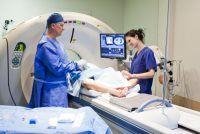
Kidney imaging examination is performed by a nuclear medicine technician by performing the following steps:
The subject is sometimes asked to drink 2-3 glasses of water immediately before the kidney scan.
A radioactive substance is injected into the vein by pricking it with a needle.
Functional kidney imaging is performed immediately after the injection of the radioactive substance by means of a gamma scanner.
Imaging is performed in a closed room, with the patient lying or standing, with a scanner held over them.
Other people are not allowed into the room except for the technician.
Measurements are made of how long it takes for the substance to pass through the kidneys, and based on this, graphs of blood flow within the kidneys are formed.
The functional kidney scan takes 30-60 minutes.
Warnings
general
The test may cause needle puncture site pain or sensitivity, which is often temporary.
During pregnancy
The test is often not performed during pregnancy, and the doctor must be informed of the pregnancy before a kidney scan is performed.
Breast feeding
If you are breastfeeding, you should consult your doctor before performing the examination.
Children and infants
There are no special recommendations.
the elderly
There are no special recommendations.
Driving
There are no special recommendations.
Medications that affect the test result
There are no special recommendations, but you should tell your doctor about all the medications and nutritional supplements you''re taking before the exam.
Analysis of the results
Proper results: the substance was distributed evenly in the kidneys and for the same period of time, no areas with high absorption levels (hot spots) and areas with low levels of absorption (cold spots) appeared.
Improper results: the appearance of improper results in the size, shape, or location of the kidney.