vertebrae
Do you suffer from lumbar disc herniation? Here, dear reader, are the most prominent methods used in the treatment of herniated disc in the lower vertebrae. A herniated disc or herniated disc, or what is known as a disc, is a common medical condition that can occur anywhere along the spine, but it often affects the logic
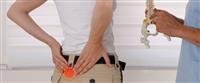
lower back causing severe pain.
In this article, we will discuss how to treat a herniated disc in the lower vertebrae
Treatment of herniated disc in the lower vertebrae
A herniated disc occurs in the lower vertebrae when one of the discs between the lumbar vertebrae moves or slips from its position, causing it to put pressure on the spinal cord and the nerve roots adjacent to it, causing nerve irritation that leads to:
Feeling of severe pain.
Feeling of numbness in the lower extremities.
In general, there are many ways to treat a herniated disc in the lower vertebrae, which may help relieve symptoms to a large extent, and the options used in treatment are summarized as follows:
1. Conservative treatment
Conservative treatment, in combination with analgesic medications, can relieve symptoms within a few days or weeks. Conservative treatment includes the following:
Rest for a few days.
Avoid exercises and activities in which the individual has to bend or lift heavy objects.
Sleeping in bed for good periods interspersed with standing or walking for short periods To avoid muscle and joint stiffness.
Putting cold or warm compresses on the place of pain, as they help relieve pain and swelling, and this is done by placing an ice bag, or a warm towel on the painful area for some time, and it is possible to nate between them or according to the patient’s desire.
2. Medication treatment
Treatment of a herniated disc in the lower vertebrae with analgesic medications depends on the patient’s general health and the severity of the pain.
There is a wide range of medications that are graded in their ability to relieve pain, including those that treat moderate pain, and those that treat severe or unbearable pain that require a prescription.
In general, the doctor will assess the patient''s condition and the severity of the pain in order to prescribe appropriate pain relievers for him. These analgesics include the following:
Over-the-counter medications, such as
Paracetamol.
Non-steroidal anti-inflammatory drugs, which include: naproxen or ibuprofen.
Medicines to treat pain of a neurological origin, such as
Pregabalin.
Gabapentin.
Duloxetine.
Cortisone injections, which can be injected directly into the affected discs.
opioid drugs
muscle relaxants
Back injection sometimes, and this is done by injecting some analgesic or anesthetic drugs into the area surrounding the spinal cord called the epidural space.
3. Physiotherapy
The treatment of a herniated disc in the lower vertebrae can contribute naturally and physically to reducing the pain of a herniated disc, and this is done by individuals who specialize in this matter. Physiotherapy methods include the following:
Exercises and physical activities appropriate to the patient''s condition.
Wear some back support belts.
Heat or ice treatment.
Treatment using traction methods, which may help relieve pressure on the nerves.
Electropulse treatment.
Ultrasound treatment.
4. Surgery
The attending physician may surgically treat a herniated disc in the lower vertebrae if
All treatment attempts failed to relieve the symptoms.
Symptoms worsened to the point of being unable to move.
Bladder and bowel control worsened.
The protruding portion of the herniated disc is often removed during surgery, and rarely completely removed or replaced with artificial discs.
The surgery can be performed using a laparoscopic technique. To avoid complications from surgery.
5. Traditional ways to relieve symptoms of a herniated disc in the lower back
The following are some of the traditional methods used in the field of native medicine in the treatment of herniated disc in the lower vertebrae:
Acupuncture.
massage.
Some manual folk remedies that help straighten the spine.
Complications of lumbar disc herniation
After learning about the methods of treating a herniated disc in the lower vertebrae, let''s learn about the complications of a herniated disc.
In severe cases, a slipped disc can cause cauda equina syndrome, which occurs as a result of pressure on a group of nerves called the cauda equina located in the lower back, which leads to the following problems:
Loss of bowel and bladder control.
Constant numbness.
ED.
Loss of movement or permanent paralysis.
Tips for protecting the spine
Although most of the symptoms of a herniated disc may improve greatly by treating the herniated disc in the lower vertebrae mentioned earlier or on its own, it can happen again, and to protect your spine, follow the following instructions
Avoid lifting heavy objects, and if necessary, do not bend your back from the waist, and take a squatting position when picking up the object.
Maintaining sitting and standing straight.
Avoid standing for long periods, and if necessary put one of your feet on a chair or box.
Try to get an ideal weight.
Follow a healthy and balanced diet.
Quit Smoking.
Do appropriate exercise.
Avoid wearing high-heeled shoes.