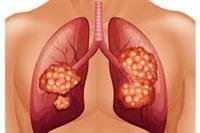
A bulla is an air space surrounded by damaged lung tissue. These bubbles cause emphysema. The causes for the formation of bubbles and, consequently, for bloat disease are the following: Smoking. Environmental pollution. An inherited disease called Alpha1-antitrypsin deficiency. in gm
In all of these cases, the small air cavities called alveoli in the lungs are damaged, as when these cavities swell, they push healthy lung tissue, and at a certain stage of the disease, they cause symptoms of the disease, especially shortness of breath and coughing.
This bullous removal surgery is needed when bubbles appear on the CT scan that lead to the above symptoms of the disease, or when complications of these bubbles appear.
before performing the operation
It is important to follow the doctor''s advice on how to prepare for the operation, which includes the following:
Fasting for 8 hours before the procedure.
Schedule time off work to recover.
Arranging with a friend or family member to drive the person to and from the procedure.
Stop smoking if possible.
during the procedure
Before the resection, you will be put under general anesthesia so that you can sleep and not feel any pain during the surgery. After that, the surgeon will follow these steps:
They will make a small cut near your armpit to open your chest called a thoracotomy, or several small cuts on your chest for a thoracoscopy.
The surgeon will then surgical tools and a thoracoscope to view the inside of your lungs.
They will remove the bullae and other infected parts of your lung.
The surgeon will close the incisions with sutures.
after the procedure
The recovery period includes the following
Go to any follow-up appointments your doctor makes.
Stick to any heart treatment your doctor recommends.
Don''t smoke. Smoking can cause the bubbles to form again.
Eat a high-fiber diet to prevent constipation caused by taking pain relievers.
Do not use lotions or creams on your incisions until they have healed.
Gently dry your incisions after showering.
Do not drive or return to work until your doctor says it is okay to do so.
Do not lift anything heavy for at least three weeks.
Do not travel by plane for a few months after surgery.
You will slowly return to your normal activities over the course of a few weeks.