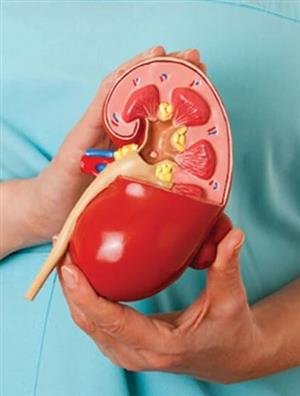

The function of the kidneys is to rid the blood of toxins through the urine, so some people ask, when does a kidney patient start dialysis? Healthy kidneys clean the blood and remove excess fluid through the urine. They also make substances that keep the body healthy. When the kidneys are not working properly, they may need dialysis.
Count them to do their jobs well, so when does a kidney patient start dialysis?
When does a kidney patient start dialysis?
A person with kidney problems needs dialysis when the kidneys are unable to remove waste and fluids from the blood to maintain health.
This usually occurs when only 10 to 15% of kidney functions remain, and this problem may lead to a group of symptoms, such as: nausea, vomiting, swelling, and a feeling of fatigue.
However, kidney problems and their inability to remove waste without symptoms may occur, and therefore it is recommended to consult a doctor to determine the appropriate date for when a kidney patient begins dialysis.
How long does dialysis last?
After we answered your question: When does a kidney patient start dialysis? Here is the most important information about how long dialysis lasts:
Hemodialysis is performed 3 times per week, each time lasting 4 hours.
If possible, people who choose home dialysis can do dialysis 4 to 7 times per week, for shorter hours each time.
Information about peritoneal dialysis
After knowing when a kidney patient starts dialysis, we tell you the most important information about peritoneal dialysis:
How is peritoneal dialysis performed?
It is done through the following
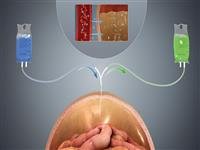
The lining of the abdomen, or the peritoneum, acts as a natural filter while doing peritoneal dialysis at home.
The flushing solution flows into the abdomen through a soft tube called a catheter. During treatment, waste and excess fluids from the blood pass into the flushing solution.
After several hours, the used solution is emptied from the abdomen and refilled with a new cleaning solution to start the process again.
Removing the used solution and adding new solutions takes about half an hour and is called an exchange.
What are the types of peritoneal dialysis?
There are several types of peritoneal dialysis, but the main ones include
1. Ambulatory peritoneal dialysis (CAPD)
It is the only type of peritoneal dialysis that is done without the use of machines, and the infected person can do it himself, by placing a bag of solution for cleaning the kidneys about 2 liters in the peritoneal cavity through the catheter, and it is drained again after the completion of the session and disposed of.
A new bag of this fluid is used each time dialysis is done.
While this fluid is in the peritoneal cavity, normal activities at home or work can be done.
2. Automatic Peritoneal Dialysis (APD)
Automatic peritoneal dialysis (APD) is usually performed at home using a special machine called (Cycler), and this method is similar to ambulatory peritoneal dialysis except for a number of cycles.
Each cycle often lasts 1-2 hours, and the exchange takes place throughout the night while you sleep.
Does dialysis help treat kidney disease?
Dialysis does not cure kidney disease, but it does do some of the work of healthy kidneys.
And when determining when a kidney patient starts dialysis, he will then need to continue dialysis throughout his life, unless he is able to perform a kidney transplant.
Does dialysis cause pain?
A person with kidney problems may feel some discomfort while putting needles into the fistula and placing the catheter, but most patients have no other problems.
In general, dialysis is not painful, but some patients may suffer from low blood pressure, and this is accompanied by some symptoms, such as: nausea, vomiting, headache, or abdominal cramps, and with continued treatment, these problems will disappear.