
gastrectomy
There are many surgeries that contribute to weight reduction, including gastric bypass and sleeve gastrectomy. What is the difference between gastric bypass and sleeve gastrectomy? The answer and other information we will get to know later in the article. Some resort to surgeries that contribute to weight loss, including cutting the stomach or sleeve gastrectomy, so what is the difference between cutting the stomach and sleeve gastrectomy? And the
What are their side effects? The following is an explanation for that
What is the difference between gastrectomy and sleeve gastrectomy?
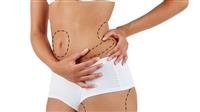
In fact, this surgery bears many names, namely gastrectomy, sleeve gastrectomy, and vertical sleeve gastrectomy, which is a surgical medical procedure in which approximately 80% of the stomach is removed and a small part of it is kept in the form of a tube, the size and shape of a banana, in order to lose weight.
How is gastrectomy or sleeve gastrectomy performed?
The time required for the surgery is about 60-90 minutes, and in the following is an explanation of the steps for performing the operation:
Start by making small incisions in the abdominal wall, between 2-5 incisions.
Inserting the endoscope and the necessary medical tools to perform the operation through the incisions.
The special image of the endoscope appears on the screen in the operating room, allowing the surgeon to see inside the abdomen during the operation.
Pumping a harmless type of gas, which allows the stomach to swell, giving the surgeon enough space to complete the work.
Removing approximately 3/4 of the volume of the stomach.
Create a narrow sleeve by vertically stapling the stomach.
Take out all medical tools and endoscopes, and then suture the incisions.
What are the reasons for performing a sleeve gastrectomy?
After identifying the difference between gastric bypass and sleeve gastrectomy, it must be noted that the main reason behind performing the operation is to help lose weight in addition to preventing obesity diseases, including the following:
heart disease.
Hypertension.
High cholesterol.
Obstructive sleep apnea.
Stroke and stroke.
cancer.
infertility.
diabetes.
What are the risks and harms of cutting or sleeve gastrectomy?
The following are the most prominent side effects and risks of sleeve gastrectomy
Side effects of cutting or sleeve gastrectomy
The following are a number of side effects of gastric sleeve surgery
Gastroesophageal reflux.
hernia.
Low blood sugar.
Gastrointestinal obstruction.
vomiting.
Inability to tolerate eating.
The long-term risks of cutting or gagging the stomach
Since the difference between gastrectomy and sleeve gastrectomy is a difference in names only, the risks are certainly the same, and in the following are a number of risks that can occur in the long term:
Blood clots in the veins.
Leakage from a cut or gagged stomach.
Lung and breathing problems.
Infection.
Bleeding
Damage to internal organs during the procedure.
Eating after sleeve gastrectomy or gastric bypass surgery
Here are a number of special tips for eating habits after the operation
1. Eating habits from day one to four weeks
On the first day of the operation until the first four weeks have passed, you will be allowed to eat pureed food and protein shakes only.
2. New eating habits to be followed after the first month
After the first month has passed, you will be allowed to eat non-mashed and non-hard foods at the same time, and you must change all your eating habits before the operation, with the need to realize that this change is permanent and not temporary, and in the following are a number of instructions that must be followed:
Chew food well before you start swallowing.
Avoid drinking water while eating This is because it will cause the gagged stomach to become full.
Drink liquids 30 minutes before eating your regular meal.
Avoid eating high-calorie foods and drinks.
Commitment to taking nutritional and mineral supplements and vitamins.