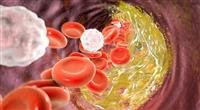
atherosclerosis
Atherosclerosis is common, which can cause other problems, so how can you detect the infection early? Here are the most important signs and symptoms of atherosclerosis in this article. Atherosclerosis is a condition that refers to a narrowing of the arteries resulting from the accumulation of platelets and plaques on the walls of the arteries. Atherosclerosis is the most common cause.
ED for cardiovascular disease, but what are the symptoms of atherosclerosis?
Symptoms of atherosclerosis
Most cases of atherosclerosis are not accompanied by specific and clear symptoms unless a person has a blockage in the arteries or even a heart attack or stroke, and this may take many years to happen.
Symptoms of atherosclerosis can be explained as follows
1. Common symptoms of atherosclerosis
In general, signs and symptoms of atherosclerosis include
Chest pain or what is known as angina pectoris.
Pain in the foot, arm, or any area that has become blocked.
Shortness of breath.
general fatigue
Confusion if there is a blockage of the arteries that supply blood to the brain.
Weakness in the muscles of the legs due to lack of access to blood circulation.
2. Symptoms of atherosclerosis according to the affected arteries
Symptoms of atherosclerosis depend on which arteries are narrowed or blocked, as follows
Symptoms of carotid atherosclerosis
Symptoms related to the arteries that carry blood to the brain include
Numbness or weakness in the arms or legs.
Difficulty speaking or understanding speech.
Drooping facial muscles.
paralysis.
strong headache.
Trouble seeing in one or both eyes.
Symptoms of coronary artery disease
Symptoms related to the coronary arteries that supply blood to the heart include
Arrhythmia.
Pain or pressure in the upper body, including the chest, arms, neck, or jaw.
Shortness of breath
Symptoms of renal arteriosclerosis
Symptoms related to the arteries that carry blood to the kidneys include
high blood pressure.
Renal failure.
A person with enough blockage in the renal artery to develop CKD may
Anorexia.
Swelling of the hands and feet.
Difficulty concentrating.
Symptoms of peripheral arteriosclerosis
These arteries supply blood to the arms, legs, and pelvis, and their hardening may cause the following symptoms:
Leg pain when walking
Numbness and pain in the extremities.
Tissue death and gangrene in severe cases.
3. Symptoms of complications of atherosclerosis
On the other hand, it is necessary to know the signs of a heart attack and stroke as well, because their incidence may increase as a result of atherosclerosis, which requires seeking immediate medical assistance, as follows:
Symptoms of a heart attack: which include the following
Pain and discomfort in the chest area.
Pain in the shoulder, back, arm and jaw.
Pain in the abdominal area.
Shortness of breath.
Heavy sweating.
vertigo.
nausea or vomiting
Cough.
Feeling of impending doom.
Stroke symptoms: This condition may cause the following symptoms
Weakness and numbness in the muscles of the face and extremities.
difficulty speaking
Difficulty understanding speech.
Eyesight and vision problems.
Loss of balance.
Sudden and severe headache.
Important information about atherosclerosis
It should be noted that the arteries are the blood vessels that transport blood containing oxygen and nutrients from the heart to the different parts of the body.
With age, fats and cholesterol may accumulate in the arteries, causing platelets, which make it difficult for blood to flow through them. This can happen in any artery, causing a lack of oxygen to the areas associated with it.
Sometimes pieces of these platelets can migrate, causing a blood clot, and thus atherosclerosis that raises the risk of heart attack, stroke, and heart failure if not treated.
Who is at risk of atherosclerosis?
There are many factors that play a role in raising the risk of atherosclerosis, and therefore the following categories fall into the risk circle of the disease:
A person with a family history of infection.
The person who does not exercise.
People with uncontrolled high blood pressure.
Smokers.
People with uncontrolled diabetes.