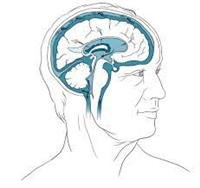

Brain tumors are among the most dangerous diseases that have many complications on human health, so learn with us everything related to this disease in this article. Brain tumors, or what is known as brain swelling, are among the most dangerous diseases that may affect a person, so we find many of us fear them because of the severity of the health complications arising from them, which may affect
radically affects the patient''s life.
So let''s take a comprehensive look at this disease in terms of causes, symptoms, methods of diagnosis and treatment in the following:
What are brain tumors?
Brain tumors are the presence of a mass or growth of abnormal cells in or near the brain.
Not all brain tumors are cancer, as these tumors may be benign or malignant.
Benign tumors do not contain cancerous cells. Once removed, they rarely grow back. Malignant brain tumors are cancerous. They grow rapidly, attack surrounding tissues, and are usually life-threatening.
Types of brain tumors
There are several types of brain swelling, but the most common are the following types
1. Primary brain tumors
Primary brain tumors are tumors that begin in the brain, and are categorized according to the area in which they begin to grow or the cells they affect.
The most common types of primary tumors are
Glioma: It arises from glial cells, and is one of the most dangerous and prominent types. It usually appears in young people more than others.
Meningioma: The meninges are the membranes surrounding the brain, and the tumor arising from this tissue is called meningioma. It is most common among the elderly, especially after the age of forty, and is often not malignant.
Schwannoma: a tumor that arises from cells in the nerve membranes, and is benign in most cases, but it may progress to become cancerous.
There are also many other types of brain tumors that may arise from the membranes of the brain, lymphocytes, or from glands in the brain.
2. Secondary brain tumors
Secondary brain tumors are those caused by cancers that originate elsewhere in the body, such as: the lung for example, but may spread to the brain.
Symptoms of brain tumors
Signs and symptoms of brain swelling vary greatly depending on the size, location and rate of growth of the tumor, but the following symptoms remain the common symptoms in most types of cancer:
Headache that gradually increases and becomes more severe.
Unexplained nausea or vomiting.
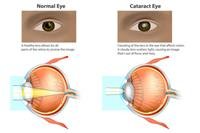
Vision problems, such as
Blurred vision.
double vision
Complete loss of vision.
Gradual loss of feeling or movement in an arm or leg.
Difficulty with balance and inability to focus.
Speech difficulties.
Hearing problems.
Causes of brain tumors
There are no understood causes for brain swelling, but doctors have identified some risk factors that may increase your risk, including the following:
Age: The risk of brain tumors increases with age.
Radiation exposure: People who have been exposed to radiation therapy are more likely to develop brain tumors.
Family history: The risk of developing brain tumors increases in people who have a family history of this disease.
How are brain tumors diagnosed?
Doctors use a range of procedures and diagnostic techniques to determine the presence of benign or malignant brain tumors in the brain, and to estimate its size, location, and speed of growth, using the following techniques:
A complete physical and neurological examination, such as examining vision, hearing, and muscle reflexes.
Magnetic resonance imaging (MRI) to obtain a complete picture of the body and brain to determine the presence of any abnormal areas.
A CT image of the brain to look for any abnormal areas.
Spinal fluid examination to obtain a sample of spinal fluid and check for any abnormal cells.
Taking a biopsy through surgery or a needle to obtain some tissue for examination in a laboratory.
Treating brain tumors
Brain swelling treatment can be summed up in 4 ways as follows
1. Surgical treatment
Most cases require surgical intervention, but surgery is not suitable for all types of brain tumors, as it often has side effects, especially if the doctor is unable to completely remove the tumor because it is widespread in parts of the brain or in contact with sensitive centers in the brain.
2. Radiotherapy
High-energy X-rays are directed directly at the tumor, to reduce the spread of brain swelling, and they also destroy the cell wall of cancer cells, and the estimate of time depends on the size of the tumor and the location of its spread.
3. Chemotherapy
Chemical drugs are used to limit the growth of cancer cells, as chemical drugs are given by injection and not in the usual way orally.
4. Pharmacological treatment
Which drug treatment is used to relieve symptoms: These include analgesic drugs, and those that are used to reduce strokes.