Summary
Ulcerative colitis (UC) is a chronic disease that affects all age groups but is most common between 15 and 30 years old.
Ulcerative colitis affects the innermost lining of the large intestine (colon) and rectum.
UC symptoms usually develop gradually over time (not suddenly).
Symptoms can be treated with drugs that control inflammation it can be treated by means of a surgery.
The disease is unpreventable to date however, there are tips that can be followed to ease the symptoms.
Overview
Ulcerative colitis is a chronic disease affecting the innermost lining of the large intestine (colon and rectum) causing inflammation or swelling and sores, called ulcers. It can occur at any age but is most common between 15 and 30 years old.
Colon
Colon is part of the large intestine, located below the abdomen and occupying a large area of the abdomen. It also extends from the bottom of the rib cage to the pelvic area horizontally. It is the last part of the large intestine, where the colon contains four parts:
Sigmoid colon (adjacent to the anal area)
Descending colon
Transverse colon
Ascending colon
Names
Ulcerative colitis (UC)
Types
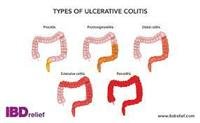
Often categorized by location, ulcerative colitis includes
Ulcerative proctitis: Inflammation is limited to the area closest to the anus, where bleeding is the sign of this type.
Sigmoiditis: Involves the lower end of the colon.
Left-sided ulcerative colitis: Inflammation extends from the rectum to the sigmoid colon and descending colon.
Ulcerative colitis: Inflammation that most likely affects the entire colon, causing bouts of bloody diarrhea that may be severe.
Severe acute ulcerative colitis (rare): This type affects the entire colon and causes severe pain, severe diarrhea and bleeding, with the inability to eat.
Cause
The exact cause of the UC is unknown it was previously suspected to be linked to diet and stress but these factors may aggravate the disease, but not stimulate its incidence in the first place. There are also a number of factors likely to play a role in the disease development, such as:
Hereditary factors: Genes may increase the risk of suffering colon problems.
Overactive bowel immune system: An abnormal immune response in the intestine.
Risk Factors
Age, with the risk usually higher under 30 years old
Family history
Overconsumption of milk and dairy products
Taking antacids (steroids)
Smoking
Symptoms
Symptoms usually appear gradually over time and not suddenly. Most people with this disease suffer mild to moderate symptoms, including:
Diarrhea with blood or pus
Abdominal pain
Fatigue and exhaustion
Nausea or loss of appetite
Weight loss
Fever
Anemia
Symptoms can vary from person to person, depending on the severity of the inflammation and its location.
When to see a doctor?
When observing an ongoing change in the bowel routine, or when detecting any of the following signs:
Blood in the stool
Persistent diarrhea that does not respond to medications
Inexplicable fever for more than one or two days.
Complications
Rectal bleeding
Colon hypertrophy
Osteoporosis
Infections in the eyes, skin and joints
Increased risk of colon cancer
Diagnosis
Medical history
Family history
Clinical examination
Laboratory tests: Blood or urine tests
Other tests, including: Colonoscopy, X-ray, CT scan.
Treatment
Treatment depends on the severity of the conditions and symptoms, in addition to the patient''s health condition. Treatment is either pharmacological or surgical where pharmacological treatment involves:
Anti-inflammatory drugs
Corticosteroids
Immune system inhibitors
Surgery often involves removing the entire colon and rectum, with surgery to expel waste naturally. Sometimes, a permanent opening is made in the abdomen through which stool may be passed and collected in an accessory bag.
Prevention
There is still no way to prevent the disease however, there are tips that can be followed to ease the symptoms.
Guidelines for People with Ulcerative Colitis
Seek medical advice before using antibiotics, painkillers, anti-diarrheal medicines or iron supplements as the severity of the disease may increase.
Avoid caffeine and foods that increase the severity of the disease (e.g. foods rich in fiber and spicy foods).
Maintain the diet that has been prescribed by your doctor.
Divide meals into five or six small meals.
Drink plenty of fluids to prevent dehydration.
Do not stop eating certain food groups without talking to your doctor.
Manage stress levels by physical activity, breathing exercises and relaxing.
Make sure to control the symptoms before pregnancy.
Quit smoking.