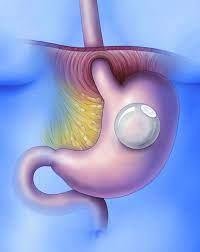
Placement of a gastric balloon is a weight-loss procedure that involves placing a silicone balloon filled with saline solution into your stomach. This helps you lose weight by limiting how much you can eat and making you feel full faster. The stomach balloon procedure may be an option if you''re concerned about your weight, and diet and exercise haven''t helped.
Like other weight loss procedures, the gastric balloon procedure requires a commitment to a healthier lifestyle. You need to make permanent healthy changes to your diet and get regular exercise To help ensure the long-term success of the procedure.
Why is this being done
Placing a gastric balloon helps you lose weight. Losing weight can reduce the risk of potentially serious weight-related health problems, such as:
Gastroesophageal reflux (GERD)
Heart disease or stroke
Hypertension
Obstructive sleep apnea
Nonalcoholic fatty liver disease (NAFLD) or nonalcoholic steatohepatitis (NASH)
Type 2 diabetes
Gastric balloon placement and other weight loss procedures or surgeries are usually done after you''ve tried to lose weight by improving your diet and exercise habits.
to whom it is
A gastric balloon may be an option for you if
Your body mass index (BMI) was between 30 and 40
You are willing to commit to healthy lifestyle changes, have regular medical follow-up, and participate in behavioral therapy
You have not had any previous stomach or esophageal surgery
The gastric balloon is not the right option for all who are overweight. Performing tests helps your doctor know whether an operation might be beneficial for you.
Currently, the placement and removal of the gastric balloon may not be covered by health insurance, and thus would be prohibitively expensive.
Risks
About a third of people experience pain and nausea shortly after the gastric balloon is ed. However, these symptoms usually last for a few days after balloon placement. These symptoms can usually be controlled with oral medications at home.
Although serious side effects are rare, they may occur after gastric balloon placement. Call your doctor right away if you develop nausea, vomiting, and abdominal pain at any time after surgery.
Possible risks include deflation of the balloon. If the balloon deflates, there is also a risk of it moving through your digestive system. This may cause a blockage, which may require an additional procedure or surgery to remove the device.
Other potential risks include hypertonicity, acute pancreatitis, and an ulcer or hole (perforation) in the wall of the stomach, which may need to be treated surgically.
How to prepare
If you''re going to have a gastric balloon placed in your stomach, your health care team will give you specific instructions on how to prepare for your procedure. You may need to have several lab tests and tests done before the procedure.
You may need to limit what you eat and drink and what medications you take in the time leading up to the procedure. You may also be asked to start a physical activity programme.
What you can expect
during this procedure
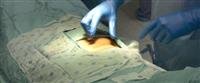
Gastric balloon placement is performed in the endoscopy unit as an outpatient procedure. You will be sedated for this procedure.
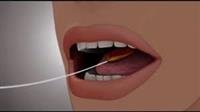
During the procedure, your doctor s a thin tube (catheter) with a gastric balloon down your throat and into your stomach. Then the doctor s an endoscope — a flexible tube equipped with a camera — down your throat and into your stomach. The camera allows the doctor to see the balloon as he fills it with saline.
The process takes about half an hour. You can usually go home 1 to 2 hours after the procedure is over.
After the operation
You may be given small amounts of clear liquids to start drinking about six hours after your procedure. Liquid feeding generally continues until the beginning of the second week, when you can start eating soft foods. You''ll likely be able to start eating normally about three weeks after the gastric balloon is ed.
Gastric balloons are left in place for up to six months, and then removed using an endoscope. At that time, a new balloon may or may not be placed, depending on the plan determined by you and your doctor.
You''ll also meet with members of your medical team, such as a dietitian and psychologist, frequently after your procedure.
Results
A gastric balloon can make you feel full faster than normal when you eat. Which often means that you will eat less food. One reason may be that the gastric balloon slows the rate of stomach emptying. Another reason could be that the balloon appears to the level of hormones that control appetite.
The amount of weight you lose also depends on how much you can change in lifestyle habits, including diet and exercise.
Based on a summary of currently available treatments, a loss of approximately 7% to 15% of body weight is normal during the six months following gastric balloon placement. Total excess weight loss ranges between 30% and 47%.
Similar to other procedures and surgeries that result in significant weight loss, the gastric balloon may improve or treat conditions often associated with being overweight, including:
Gastroesophageal reflux (GERD)
heart disease
Hypertension
Obstructive sleep apnea
Osteoarthritis (joint pain)
Type 2 diabetes
High cholesterol level
Nonalcoholic fatty liver disease (NAFLD) or nonalcoholic steatohepatitis (NASH)
When weight loss fails
It''s also possible not to lose enough weight or regain weight after any type of weight-loss surgery, even if the procedure itself was done correctly. This weight gain can occur if you do not follow the recommended lifestyle changes. It is essential to make permanent healthy changes in your diet, in addition to regular physical activities and exercise, to avoid weight gain.