
of treatment.
The spine consists of several vertebrae, and the lumbar region may suffer from a herniated disc, so how does this happen? What are the possible treatments? It is known that the spine consists of several vertebrae, and the five lumbar vertebrae in the spine may suffer from a herniated disc, so what are the reasons for this happening? Are there possible treatments? asp
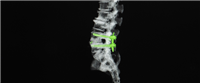
Lumbar herniated disc
The spine is a complex network of nerves and blood vessels. It consists of a series of vertebrae stacked on each other that extend from the upper back to the lower back. It includes several parts, including:
7 cervical vertebrae close to the neck.
12 thoracic vertebrae close to the chest.
5 lumbar vertebrae close to the abdomen.
Sacrum and coccyx at the base.
Sliding of these vertebrae can occur due to excessive pressure on the nerves and muscles surrounding it. Sliding may extend from the neck to the lower back, or it may be in certain vertebrae.
The lumbar region is one of the areas most affected by a herniated disc, which causes a feeling of severe pain and discomfort. A herniated disc occurs in the lumbar vertebrae when the outer ring of the vertebrae becomes weak or torn and allows the inner part to slip.
Lumbar herniated disc often occurs due to several reasons, including
Getting older because the vertebrae begin to lose the protective fluid inside them.
Wrong movements while working or exercising.
Injury or sprain causing a slip in the lumbar vertebra.
Lifting a very heavy object causes great stress in the lower back.
Being overweight exposes a person to a lumbar disc due to pressure on the lower back.
Weak muscles in a pregnant woman can contribute to the development of a herniated disc.
Lumbar herniated disc symptoms
You may experience many symptoms of a lumbar herniated disc, including
Pain and numbness in the lower back.
Pain extending to the legs.
The pain gets worse at night or with some movements.
Pain when walking for short distances.
muscle weakness
Feeling groggy.
Not controlling the work of the bladder.
Types of pain can vary from person to person, so it is preferable to see a doctor if the pain leads to numbness or tingling that affects the ability to control muscles.
What are the complications of lumbar disc herniation?
Failure to treat a lumbar herniated disc can lead to permanent nerve damage, and in very rare cases it can affect nerve impulses in the lower back and legs.
A herniated disc can also affect nerves and cause a loss of sensation in the inner thighs, the back of the legs, and around the rectum.
While the symptoms of a herniated disc may improve, but may worsen if neglected, so it is preferable to see a doctor in all cases.
Lumbar herniated disc treatment
Treatments for a herniated disc in the lumbar spine depend on the level of slippage you are experiencing and the extent of the cartilage retraction.
There are many treatments that you can follow, including
1. Change your daily habits
There are many practices that can relieve your pain, including
Follow exercise programs that stretch and strengthen the back and surrounding muscles.
Avoid heavy lifting and painful situations.
Use ice and heat to help relieve pain.
Do not abstain from any physical activity while feeling pain from a herniated disc, as this may lead to muscle weakness and joint stiffness. Instead, try to remain as active as possible.
2. Take some medication
Your doctor may prescribe powerful medications to relieve herniated disc pain, including
Muscle relaxants to relieve muscle spasms.
Anti-neuralgia medications such as gabapentin or duloxetine.
Pain medications such as ibuprofen and naproxen.
3. Perform the surgery
Your doctor may recommend surgery if symptoms do not subside within six weeks or if the herniated disc affects muscle function.
The surgeon may remove the damaged or protruding part of the cartilage without removing all of the cartilage. This is called a microchondectomy.
Most of the time, problems caused by a lumbar herniated disc begin to improve on their own within a few weeks.