this procedure
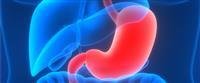
Sleeve gastrectomy is one of the medical procedures used for weight loss and for many other health purposes. Here is everything you need to know about it in the article. Let us know in the following the most important information and details about the gastric sleeve procedure: What is meant by the sleeve gastrectomy procedure? Sleeve gastrectomy is an operation by which the entire stomach or stomach is removed
Only part of it, and it is a process that has several types and methods, and it may bring with it some health harms.
Types of remedial surgery
There are three types of sleeve gastrectomy
Partial sleeve: in which the stomach is partially removed, and the lower part of it is usually removed here.
Total sleeve: in which the stomach is completely removed.
Sleeve gastrectomy for the left part: This procedure involves removing only the left part of it.
Although gastrectomy does not deprive the ability to eat and drink, the person will need to make several important life changes.
When is the sleeve gastrectomy used?
Sleeve gastrectomy is usually done for many purposes, the most important of which is the treatment of some stomach problems that cannot be treated in any other way, as in the following cases:
The presence of tumors in the stomach, malignant or benign.
Bleeding
Certain infections.
The presence of holes in the stomach wall.
The presence of strange lumps and growths inside the stomach.
Stomach cancer.
An acute stomach ulcer.
It is also possible to perform this operation as one of the procedures for treating obesity. Here, when the size of the stomach shrinks, its ability to fill becomes faster, and thus the person eats less and loses weight. However, it is not generally recommended to perform sleeve gastrectomy as a treatment for obesity, unless all other procedures fail, which include:
Diet food.
Exercise.
Medicine.
Preparing for the sleeve gastrectomy
Preparation for sleeve gastrectomy is done by doing and knowing the following
Examination of the patient and his medical history fully before the operation.
Doing blood tests and some medical pictures as well, to ensure the patient''s readiness for the operation and his ability to bear it.
Knowing what types of medications the patient is taking,
Stop smoking completely if the patient smokes, as smoking increases the hypothetical period that the body needs to recover after the operation, and increases the chances of infection and inflammation.
It should be mentioned here that if the patient is a woman, she must tell the doctor if she is pregnant, intends to become pregnant, or has any gynecological diseases.
How is the quantification process done?
There are two different ways to perform the sleeve gastrectomy, but both of them are performed while the patient is under general anesthesia, and the two methods are:
1. Regular surgery
Normal surgery involves making a large incision or incision through which skin and tissue are displaced to access the stomach.
2. Laparoscopic surgery
This type of procedure does not require a large incision or incision in the patient''s body to reach the targeted internal area, and it is usually preferable to perform this type of surgery over regular surgery in order to reduce the chances of complications.
Post-gastrectomy
After the procedure, the doctor does all of the following
wound closure.
The patient was then placed under observation and medical care in the hospital for a period of not less than 1-2 weeks.
A special tube was connected between the patient''s nose and stomach, to help the stomach get rid of any liquids that may be stuck in it, and to relieve the patient''s feeling of nausea.
The patient also gets his food during the recovery period through a vein, so that he can and the doctors authorize him to eat and drink normally.
Life changes are necessary after sleeve gastrectomy
After the operation, it is necessary to change the patient''s lifestyle and eating habits, and these changes include:
Eat less food at each meal during the day.
Avoid eating foods rich in fiber.
Focus on eating foods rich in calcium, iron, vitamin C and vitamin D.
Take vitamin supplements.
The patient may need a relatively long time to recover after the sleeve gastrectomy, but eventually the remaining part of the stomach will expand and the small intestine will expand a little, and then the patient will be able to eat more amounts of fiber and other meals in general.
Risks and caveats of the sleeve gastrectomy
The sleeve gastrectomy procedure may carry many risks and complications for the injured, such as infection with the following:
Gastroesophageal reflux.
diarrhea.
Stomach dumping syndrome, which is a severe type of digestive disease.
Inflammation at the wound site.
chest infection
Internal bleeding.
Drainage of fluids from the site of the operation wound.
Nausea and vomiting.
Stomach acid leaking into the esophagus.
Obstruction in the small intestine.
Deficiency of vitamins.
external bleeding
breathing difficulties
Failure and damage to organs close to the surgical site.