
health programs in the Arab world to keep pace with global development
The city of Alexandria witnessed the sessions of the International Conference on Electronic Health under the auspices of the University of Alexandria and the Institute of Public Health, with the participation of a group of experts from the Arab world. A number of axes and objectives were discussed, the most important of which was the concept of telehealth, telehealth: present and future, telehealth in preventive medicine and telehealth Ethics and telehealth in scientific research, as well as topics in telehealth, continuing medical education, telehealth, patient care, telehealth during emergencies, nutrition, modern technologies, health and climate change.
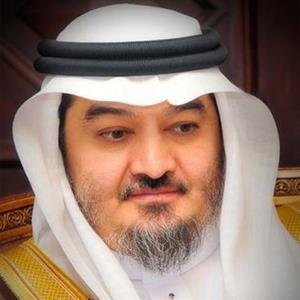
Dr. Muhammad Al-Jarallah, Chairman of the Islamic Organization for Medical Sciences, touched on what has been proven by successive health crises and the emergence of many epidemics, whether non-communicable such as heart disease, diabetes and cancer, or successive infectious diseases, the most recent of which is Covid-19, of the absolute importance of eHealth and its being one of the most effective means to achieve health for all and health coverage. Comprehensive UHC which is emphasized by the World Health Organization and various international health institutions.
Al-Jarallah called on all governments, institutions and peoples, especially health institutions, to build their human, material and technical capabilities in developing digital health programs and artificial intelligence to achieve national renaissances in our various Arab countries, so that we can catch up with the world in this field, which has become similar to science fiction, but it has become a reality on the ground.
In the context, Professor Tawfiq bin Ahmed Khoja discussed in his speech aspects of the elements of e-health, their importance, why we need e-health and what are its benefits, pointing to five elements of the e-health ecosystem.
Professor Khoja made several recommendations, the most important of which are
• We need political ''will'' and we need an effective and sustainable adoption strategy for IT within organizations.
• Indicators must drive changes and priorities.
• The IT strategic plan must be integrated with the clinical, business and capital strategic plans.
• Physicians should be the protagonists of the project in leading and educating other clinical staff.
• We need a set of clinical, economic and societal indicators to test e-health outcomes/outputs, monitor their progress and increase confidence in e-health.
• Member States and the IT and insurance industry should actively investigate innovative business and economic models.
In a related context and on the sidelines of the conference, Dr. Muhammad Al-Jarallah, President of the Islamic Organization for Medical Sciences, and Professor Tawfiq bin Ahmed Khoja, Secretary General of the Federation of Arab Hospitals, were honored.