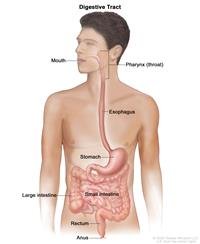
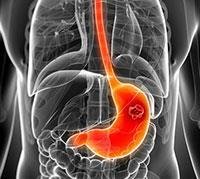
Stomach cancer is one of the malignant tumors that affect the stomach. Today, the Western world is witnessing a decrease in the prevalence of stomach cancer. Stomach cancer is divided into two types: the first affects the upper part of the stomach, and the second affects the lower part of the stomach. The rates of infection with the first type, which affects the upper part of the stomach, are recorded
It is higher compared to the other type. In developing countries, stomach cancer ranks third in terms of prevalence rates among various cancer diseases.
A distinction is usually made between the different degrees of progression of stomach cancer, as in the early stage the infection is limited to the inner lining of the stomach, that is, the lining of the stomach, and surgical treatment at this stage is often very effective and with excellent results.
But if the injury has gone beyond the lining of the stomach to the layer of muscle or lymph nodes that surround the stomach, the chances of recovery are much lower.
Symptoms of stomach cancer
In its early stages, stomach cancer does not cause any signs or symptoms, which makes it difficult to diagnose. Symptoms of stomach cancer include:
Feeling of malaise and discomfort.
Pain in the upper abdomen.
Bloating or vomiting after eating.
lack of appetite
and weight loss.
Feeling weak as a result of anemia.
Black stools.
The presence of blood in the vomit.
Stomach ulcer disease can sometimes cause symptoms similar to those seen in stomach cancer.
Causes and risk factors for stomach cancer
The following are the main causes of stomach cancer
1. Infection caused by Helicobacter pylori
Causes of stomach cancer One of the most important factors that increase the risk of stomach cancer is exposure to bacteria known as Helicobacter pylori, which causes inflammation of the inner lining of the stomach.
The cause of about a third of cases of stomach cancer is mostly due to exposure to inflammation due to these bacteria, but despite that, most people who carry these bacteria do not develop any of the diseases that affect the stomach.
2. Diet
Eating smoked, dried, salted, or spicy foods increases the amount of nitrates in the stomach, and these substances inside the stomach undergo chemical changes that turn them into carcinogens.
On the other hand, following a diet rich in fruits, vegetables or foods that are stored in a safe manner and kept in refrigeration reduces the risk of stomach cancer.
3. Other reasons
In addition to these two factors, smoking and excessive consumption of alcoholic beverages are among the causes that increase the risk of cancer in the upper part of the stomach, and the possibility of stomach cancer also increases when undergoing gastric surgery, but this risk factor becomes serious after twenty years of The date of the operation.
Statistics indicate that the probability of developing stomach cancer increases by at least two to four times in people whose relatives have had stomach cancer, and it is more common among men than women, and stomach cancer appears especially in the age group between 70-75 years.
Complications of stomach cancer
If stomach cancer develops into an advanced stage, it may lead to many complications such as:
Gastrointestinal bleeding.
Gastric perforation.
Small bowel obstruction.
Diagnosis of stomach cancer
There are different ways in which we can diagnose stomach cancer, most notably the following:
1. Gastroscopy
Stomach cancer is often diagnosed by gastroscopy, which is an examination by which it is possible to detect the presence of a stomach ulcer, a tumor mass, or thickening in the inner wall of the stomach. During the examination, a small sample, i.e. a biopsy, may be taken for microscopic examination.
2. X-ray imaging with barium contrast material injection
This is no longer a preferred method for diagnosing stomach cancer, and imaging is becoming less accepted and approved day by day.
3. Computed Tomography – CT
With it, it is possible to detect whether the cancer has spread beyond the stomach wall or whether the inner stomach wall has become thickened, and this method is usually used to complete the medical clarification process.
4. Endoscopic ultrasound - EUS
This examination allows to detect the extent of cancer penetration into the wall of the stomach and into the lymph nodes.
Stomach cancer treatment
The treatment of stomach cancer is related to the stage in which the stomach cancer is diagnosed, and the surgery to remove the tumor from the stomach (Gastrectomy) is the only way to treat stomach cancer that can achieve complete recovery from stomach cancer.
During this operation, it is possible to remove part of the stomach or the entire stomach, according to the need and depending on the degree of spread of the tumor. In some specific cases, especially those in which the tumor has spread to the wall of the stomach, it is usually followed to combine radiation treatment with chemotherapy.
In cases where stomach cancer is detected at an advanced stage, the treatment usually focuses on providing reasons for support for the patient, in terms of maintaining a proper diet and providing pain-relieving treatments.
Sometimes the need may arise to feed the patient through a special opening d in the abdominal wall that connects directly to the stomach, which is known as a gastrostomy. Sometimes the patient may be fed through an opening d into the intestine, which is known as a jejunostomy.
In any case, people who have had a close relative with stomach cancer are advised to get tested for Helicobacter pylori and to be treated as needed.
Stomach cancer prevention
Stomach cancer can be prevented through the following
Limit the amount of alcohol you drink, and don''t use tobacco products.
Avoid eating smoked and pickled foods, salted meat and fish.
Eat fresh fruits and vegetables and plenty of wholegrain foods, such as: wholegrain bread, cereal, pasta and rice.
Maintain a healthy weight.