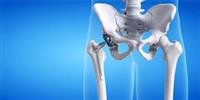
During a hip replacement, the surgeon removes damaged parts of the hip joint and replaces them with parts that are usually made of metal, ceramic, and very hard plastic. This artificial joint (prosthesis) helps reduce pain and improve function. Hip replacement surgery, also called total hip replacement surgery, may be an option
Hip replacement is an option if your hip pain interferes with daily activities, and nonsurgical treatments haven''t helped or are no longer effective. Arthritis damage is the most common reason for needing a hip replacement.
Why is this being done
Conditions that can damage the hip joint and require hip replacement surgery include
Osteoarthritis. Known as wear-and-tear arthritis, osteoarthritis destroys the slick cartilage that covers the ends of bones and helps joints move smoothly.
Rheumatoid arthritis. Rheumatoid arthritis is caused by an overactive immune system, which results in a type of inflammation that can sometimes eat away at the cartilage and underlying bone, which can damage and distort joints.
Osteonecrosis. If, as a result of a dislocation or fracture, not enough blood reaches the spherical part of the hip joint, the bone may collapse or become deformed.
You may be considered for hip replacement surgery if you have hip pain that is characterized by:
It continues, despite taking pain killers
Worsen when walking, even with a cane or walker
It affects your sleep
It is difficult for you to get dressed
Affects your ability to walk up or down stairs
Makes it difficult for you to get up from a sitting position
Risks
Risks related to hip replacement surgery can include
blood clots Blood clots can form in leg veins after surgery. This can be dangerous Because a piece of the blood clot can break off and travel to the lung, heart, or rarely to the brain. Your doctor may prescribe blood-thinning medications to reduce this risk.
infection. Infection can occur at the incision site and in the deeper tissues near the new hip. Most infections are treated with antibiotics, but a major infection near the prosthesis may require surgery to remove and replace the prosthesis.
breakage. Healthy parts of the hip joint may break off during the surgery. Sometimes, fractures are small enough to heal on their own, but larger fractures may need to be fixed with wires and screws, and possibly a metal plate or bone graft.
dislocation Certain positions can cause the ball of the new joint to pop out of the socket, especially in the first few months after surgery. If your hip dislocates, your doctor may place a brace to keep your hip in the correct position. If the hip continues to dislocate, surgery is often required to stabilize it.
change in leg length. The surgeon takes steps to avoid the problem, but sometimes the new hip makes one leg longer or shorter than the other. Sometimes this is caused by a contraction of the muscles around the hip. In this case, exercises to gradually stretch and strengthen those muscles may help. You are unlikely to notice slight differences in leg length after a few months.
wobble. Although this complication is rare with newer implants, the new joint may not become firmly attached to your bone or may loosen over time, causing hip pain. Surgery may be required to resolve this problem.
Nerve damage. In rare cases, the nerves in the area where the implant is placed can be injured. Nerve damage can cause numbness, weakness, and pain.
The need for a second hip replacement
A hip replacement may wear out over time, especially if you had hip replacement surgery when you were relatively young and active. Then you may need a second hip replacement. However, new materials make implants last longer.
How to prepare
Before surgery, you''ll meet with an orthopedic surgeon for an examination. The surgeon will perform the following procedures:
Asking you about your medical history and current medications
Examine the hip, paying attention to the range of motion in the joint and the strength of the surrounding muscles
Request blood tests and x-rays. An MRI is rarely needed
This pre-procedure evaluation gives you a good time to ask any questions you have about the procedure. Make sure you know which medications to avoid or continue to take during the week before surgery.
Because tobacco use can hinder your recovery, stop consuming tobacco products for at least one month before surgery and at least two months after surgery. If you need help quitting, talk to your doctor.
Do not undergo dental treatment, including teeth cleaning, two weeks prior to surgery.
What you can expect
When you enter surgery, you will be asked to undress and put on a hospital gown. You''ll be given either a spinal block, which numbs the lower half of your body, or a general anesthetic.
Your surgeon may give you a nerve block by injecting an anesthetic around nerves or into and around a joint to help prevent postoperative pain.
during the procedure
The surgery takes a few hours. To perform a hip replacement, the surgeon will
Make incisions over the front or lateral part of the hip through the layers of tissue
Removing diseased or damaged bone as well as cartilage, leaving healthy bone untouched
Implantation of a prosthetic socket in the pelvic bones, to replace the damaged socket
The groin ball replaces a prosthetic ball that fits into the appropriate stem of the femur
Hip replacement techniques are constantly evolving. Surgeons are still developing minimally invasive surgical techniques, and these techniques can reduce recovery time and pain.
After the operation
After surgery, you''ll be moved to a recovery area for a few hours while the anesthesia wears off. Medical staff will monitor your blood pressure, pulse, level of alertness, level of pain or discomfort, and your need for medication.
The length of your stay in the hospital after the operation depends on your condition. Several people can go home the same day. You will be asked to breathe deeply, cough or blow into a machine to help keep fluid out of your lungs.