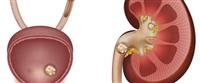

Have you ever heard of the term neurogenic bladder? It describes the need to urinate even when the bladder is not really full. What do you know about this? All you need to know about the neurogenic bladder, here is what follows: Neurogenic bladder In general, your bladder depends on muscles in order to urinate, and your brain controls it.
This process, but in some cases the messages are not sent from it to the bladder and this is known as neurogenic bladder.
If you have neurogenic bladder, the following may apply to you
More than seven times the need to urinate.
Sudden feeling of needing to urinate.
Uncontrollable urine flow.
Getting up several times during the night to use the toilet.
Causes of neurogenic bladder
This condition affects a person as a result of the nerves between the bladder and the brain not working properly, and this may be due to several different reasons, the most important of which are:
Nerve damage.
Alzheimer''s disease.
Having a tumor in the brain or spine.
Multiple sclerosis.
Parkinson''s disease.
Having a spinal injury.
An accident that causes damage to the spinal cord or brain.
The presence of genetic problems in the nerves.
Exposure to heavy metal poisoning.
Cancer of the brain or spinal cord.
Stroke occurrence.
Diabetes.
Excessive alcohol intake.
If your doctor diagnoses you with neurogenic bladder, he will examine your bladder and nervous system to determine the underlying cause.
Symptoms of neurogenic bladder
Neurogenic bladder causes you to lose all control of your urination process, which means you will urinate more frequently than necessary.
But is this accompanied by other symptoms? Here are the main symptoms of neurogenic bladder:
Gradual flow of urine when urinating.
Inability to completely empty the bladder.
Tension when urinating.
Total loss of bladder control.
Increased risk of urinary tract infection.
Urinary incontinence.
Difficulty determining if the bladder is full.
The appearance of kidney stones.
In the event that you suffer from these symptoms, it is necessary to consult a specialist doctor.
Complications of neurogenic bladder
The following complications may result after neurogenic bladder infection
Urine leaks a lot because the muscles don''t realize that the bladder is full and it''s time to empty it.
Damage to the tiny blood vessels in the kidneys, due to the fullness of the bladder and the return of urine to the kidneys, which causes additional pressure on the blood vessels and the appearance of blood in the urine.
Inflammation of the bladder, ureters, or kidneys as a result of holding urine for a long time inside the body.
Treatment of neurogenic bladder
It is possible for the doctor to prescribe an integrated set of treatments, the most important of which are:
The need to urinate every once in a while so that the bladder is not completely filled.
Do some types of exercise, such as: Kegel exercises.
Electrical stimulation therapy, which re-sends urination messages from the brain to the bladder.
Some types of medications that improve muscle contraction in order to ensure that the bladder is completely emptied when urinating.
Resorting to surgery, which helps to improve the injury as much as possible.
Since this injury would affect the patient''s quality of life, it is necessary for the patient to try to develop a treatment plan for him, to help him live with the disease, and some examples are:
Always use the toilet before you travel.
Limit travel stops to use the toilet if you are driving long distances.
Avoid drinking fluids before bedtime or before traveling and driving.
Try to avoid caffeine as a diuretic.