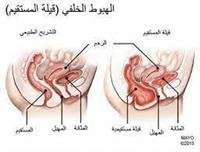
Posterior vaginal prolapse occurs when the thin wall of tissue that separates the rectum from the vagina weakens, causing the vaginal wall to protrude. Posterior vaginal prolapse is also known as a rectocele. Childbirth and other processes that put pressure on the pelvic tissues can lead to posterior vaginal prolapse. It may not cause posterior vaginal prolapse
Simple in the appearance of any signs or symptoms.
If the posterior vaginal prolapse is significant, it may lead to a noticeable protrusion of tissue through the opening of the vagina. This bulge may cause discomfort, but it''s rarely painful.
Self-care measures and other nonsurgical options are often effective, if needed. Severe posterior vaginal prolapse may require surgery.
symptoms
Simple posterior vaginal prolapse (rectocele) may not cause any signs or symptoms.
Otherwise, you may notice the following
A slight swelling in the vaginal tissues, which may protrude through the opening of the vagina
Difficulty defecation
Feeling of rectal pressure or fullness
Feeling that the rectum has not emptied completely after defecation
Sexual concerns, such as feeling embarrassed or feeling loose in the vaginal tissues
Many women with posterior vaginal prolapse also have other pelvic organs prolapse, such as the bladder, uterus or the upper part of the vagina, in women who have had hysterectomies.
When should you see a doctor?
Posterior vaginal prolapse is common, even in women who haven''t given birth. In fact, you may not realize that you have posterior vaginal prolapse.
But sometimes mild or severe posterior vaginal prolapse can be accompanied by discomfort or discomfort. Please refer to the doctor in the following cases:
If you have an unpleasant bulge of tissue that protrudes through the vaginal opening
Soft, easy-to-pass stools from the anus three times a day to three times a week are not effective in treating constipation
the reasons
Posterior vaginal prolapse results from pressure on the pelvic floor. Causes of increased pressure on the pelvic floor include:
Chronic constipation or straining during a bowel movement
Chronic cough or inflammation of the bronchi (bronchial tubes)
Frequent lifting of heavy weights
Overweight or obesity
Pregnancy and Birth.
The muscles, ligaments and connective tissues that support your vagina become tight and weak during pregnancy, labor and delivery. And the more times you''ve been pregnant, the higher your risk of developing posterior vaginal prolapse.
As for women who underwent only cesarean deliveries, they are less likely to develop posterior vaginal prolapse, but they are still exposed to it.
risk factors
Factors that may increase your risk of posterior vaginal prolapse include
Genetic factors. Some women are born with weak connective tissue in the pelvic area, which naturally makes them more susceptible to posterior vaginal prolapse.
Birth. If you''ve delivered multiple babies vaginally, you have a higher risk of developing posterior vaginal prolapse. If you had tears in the tissue between the opening of the vagina and anus (perineal tear) or surgical incisions to widen the opening of the vagina (episiotomy) during childbirth, you could also become more susceptible to infection.
getting old As you age, you naturally lose muscle mass, flexibility, and nerve function, which leads to stretching or weakness.
Obesity. Excess body weight puts pressure on the pelvic floor tissues.
protection
To reduce the risk of a posterior vaginal prolapse getting worse, try
Do Kegel exercises regularly. These exercises may strengthen your pelvic muscles — especially important after you''ve given birth.
Treat and prevent constipation. Drink plenty of fluids and eat foods rich in fiber, such as fruits, vegetables, beans and whole grains.
Avoid heavy lifting and lift loads properly. When lifting, use your legs instead of your waist or back.
Cough control. Get treatment for a chronic cough or bronchitis and don''t smoke.
Avoid gaining weight. Talk to your doctor to determine your ideal weight and get advice on weight loss strategies, if you need it.