
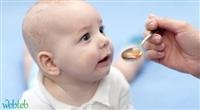
Coughs, colds, upset stomachs and sore knees are all part of the developmental stage, and they will be easier to treat if you have a few basic medications on hand. The main and most important point always when using medicines for children is the issue of keeping medicines in a proper way! It is important for you to keep medicines in a cool, dry and remote place d out of reach of children. Never use expired medicines.
Children and side effects of treatment
If you see that your child is reacting badly, such as a rash or diarrhoea, stop giving them the medicine and speak to a healthcare professional. If you are concerned about this, these symptoms may be just a side effect of the medicine. So, you need to do the following:
Read the leaflet of the medicine, as it explains the side effects associated with the medicine and advises you about what you should do.
Report side effects associated with the drug through the yellow card chart service. The scheme is administered by the Medicines Control Service, which is part of the Medicines and Healthcare Products Regulatory Agency. Yellow card reports are used as an early warning system to collect information about drug side effects and to take the necessary measures to protect public health in the event of a problem. Then you save the name of the medicine in your children''s personal health record (sometimes called a "red book") so you can avoid it in the future.
Common medical conditions in children
Relieve pain and lower your child''s temperature
And you can keep a bottle of liquid paracetamol medicine at home to overcome mild pain and high temperatures. The dosage is also indicated on the package. It is essential that you are aware of this and that you do not exceed the indicated dose. If you are not sure how much to give your child, consult your pharmacist.
Ibuprofen also helps you relieve pain and reduce temperature. It is available in liquid form. Although ibuprofen is usually taken with or just after food, some types can be taken without eating. As with any medicine, it is always important to read and follow the instructions on the label and leaflet carefully before giving your child medicine. If you have any concerns about what you read on the package leaflet, refer to your pharmacist in the first place, who may refer you to another health expert if necessary.
Ibuprofen is also not suitable for children who may have a previous allergic reaction (such as asthma) after taking ibuprofen or any other non-steroidal anti-inflammatory drug. If your child suffers from asthma or has liver, heart, kidney or stomach problems. Check with your pharmacist or general practitioner before giving this medicine to your child.
Nor should anyone who has ever had symptoms of anaphylaxis (such as asthma) take paracetamol. Guidance from the National Institute of Health and Care Excellence recommends giving your children either ibuprofen or paracetamol when their temperature is high. Although ibuprofen is not available for all children (such as children under the age of three months), paracetamol is the perfect choice for some children.
Aspirin and children
Do not give aspirin to children under the age of 16 because it has been linked to a rare disorder in children known as Reye''s syndrome. As any medicine that contains aspirin is not suitable for your child.
Keep medicines in a cool, dry place out of the reach of children. Never use expired medicines.
Take the child''s temperature
Where the temperature of the child is measured using a thermometer in the armpit, and the normal body temperature is about 36.4 degrees Celsius (97.5 degrees Fahrenheit). Have a thermometer handy when your child''s temperature rises.
You can also use a digital thermometer because it is fast and accurate. A thermometer placed in the armpit may be easier for newborns. The ear thermometer also measures the temperature quickly and does not disturb your child, but it is expensive. The thermometer gives low readings when it is not properly positioned in the ear. So, read the instructions carefully.
The temperature is always taken in children under the age of five in the armpit area. Normal body temperature becomes slightly higher: about 37°C (98°F) when the thermometer is placed under the tongue. This slight difference is due to things like what time of day the thermometer was used as well as what the kids are doing while using the thermometer.
Fever (high temperature) is
In children under the age of five, a body temperature of 37.5°C (99.5°F)
In children five years of age and older, a body temperature of 38°C (99.5°F)
Always contact your GP, health visitor, auxiliary nurse or practice nurse if
Your child has other signs of illness in addition to a high body temperature
Your baby''s temperature is 38°C (100°F) or higher (in babies under three months of age)
Your baby''s temperature is 38°C (102°F) or higher (in babies over three months old)
Consult your GP if you are concerned.
Treatment of colds and flu in children
Most colds resolve themselves within a week or so without the need for a visit to the doctor. Get medical advice from your pharmacist because they can advise you on whether an over-the-counter medicine is appropriate or not, or they may only give advice such as drinking plenty of fluids in addition to painkillers.
If your child has a cold that is causing him to have a high body temperature and a headache, rest may help him recover. And make sure your child drinks plenty of water to avoid dehydration. If your child complains of chronic headaches or a stiff neck, urgent medical intervention may be required by either your general practitioner or the accident and emergency department.
Giving your child paracetamol or ibuprofen can help them a lot in lowering their body temperature and relieving headaches. Antibiotics are not effective in treating colds and flu.
Consult your doctor if your child''s condition worsens, that is, if the child becomes vomiting, has diarrhea, has a rash, or is unusually sleepy. See the above guidelines for increasing body temperature.
Diarrhea and vomiting in children
A healthy home and food hygiene can help protect your child from gastroenteritis, otherwise known as stomach bugs, or food poisoning. But no matter how careful you are, your child is at risk of developing gastroenteritis at some point. Most cases resolve themselves within a few days, without the need for a visit to a doctor.
If your child is suffering from a mild case of gastroenteritis, you can continue with his normal daily diet. Make sure he drinks plenty of water or other fluids to avoid dehydration.
If gastroenteritis persists, consult a health professional such as a pharmacist or general practitioner about giving ORS. It comes in sachets and you mix it with water to become a drink. This drink replaces existing sugars and salts in the body and helps keep your child hydrated again.
If diarrhea or vomiting persists, you should refer to the doctor.
You can also consult a doctor if
Your baby''s temperature has risen to 38°C (100.4°F) for three days.
There is blood or mucus in the diarrhea.
Your child has become unusually sleepy.
If in doubt, see your doctor or other health professional.
Allergies and insect bites in children
Keep antihistamine medications in your home for hay fever and food allergies. Check with your pharmacist that antihistamines are suitable for children, and that you know the correct dose. Antihistamines are also available.
Antihistamines will help soothe the pain of insect bites. Eye s containing an antihistamine or sodium cromoglicate can help soothe red, inflamed eyes. Consult your pharmacist before using the medicine.
If your child has allergic reactions to certain foods, the doctor may prescribe an epinephrine injector. Allergic reactions may occur after eating a group of foods, for example nuts and shellfish. During these allergic reactions, the lips and tongue usually swell and breathing may become difficult.
If your child has an allergic reaction, you can give your child an epinephrine shot using the needle of an epinephrine injector. It might save his life. The doctor can advise you about whether an adrenaline injection is appropriate for your child.
accident
Very minor burns can be treated at home, but serious burns should be reviewed by a health professional.
The Pain Relief Cooling Gel will help relieve pain and distress if your child has a slight burn. Run the burn under cold water for 10 minutes first, then dry it gently and spread the gel on it, then cover the burn with a bandage to prevent infection. If you are not sure how serious the burn is, see your doctor or another health professional such as a pharmacist.
Eyewashes available at your local pharmacy will also help wash away dust or grit from your child''s eyes. Ask the pharmacist''s opinion before using it. You can also go to the clinic if your child is in pain or if his eye is still bothering even after washing it.
Children''s medicines: what should you have at home?
Sun protection
Use an SPF 15 or greater sunscreen. The British Association of Dermatologists also recommends that children or people with pale skin use an SPF 50 sunscreen. And you can use it on any sunny day and you can use it on your vacation. When out in the sun, protect your children with sunscreen and a hat. Avoid exposure to the sun during the hottest period of the day, from 11 a.m. to 3 p.m.
Make sure that your child does not get burned. Sunburn is dangerous at any age, but a childhood sunburn can greatly increase your risk of developing skin cancer later in life.
Buy a sunblock cream that protects against long-range rays in addition to short-range rays. Ask your pharmacist for advice when buying sunscreen for your child. After sun creams help relieve pain in burned skin, but a sun hat and sunblock can help prevent the skin from burning.
Make sure your first aid kit is prepared and equipped.
in conclusion
If you find that your child is having any problems with the medicines they are taking, consult your pharmacist who will either advise you or refer them to a specialist.
Remember, if you are worried about your child, trust your feelings and see your GP.
If you need to seek advice from your GP and his office is closed, contact the medical service on duty. If your GP or duty service does not respond quickly and you are concerned about your child''s health, take your child to the nearest hospital''s emergency department.