Who are premature babies? What factors may lead to the birth of a child early? What are the risks to premature babies? The most important information in the following article. Let us know what follows on the most important information related to premature babies: What does the concept of premature babies mean? According to the World Health Organization premature infants (Pr
emature baby- preemie) are newborns who are born prematurely before completing a period of 37 weeks in the womb, and this is the new concept adopted for preterm babies. Earlier, experts called newborns who were born weighing 2.5 kg or less.
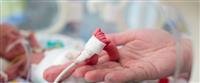
Premature babies are usually admitted to industrial incubators equipped in the hospital immediately after they are born, and the environment that is provided to the child in these incubators helps to treat some of the possible complications that afflicted the child as a result of his early birth, which may include things, such as: incomplete growth of some organs and systems such as the lungs and skin and digestive system.
Classifications of premature babies
Depending on the number of weeks a baby spent in the womb before being born, premature babies are usually categorized into 4 main categories:
Very premature prematurity: Babies born before completing 28 weeks in the womb.
Premature prematurity: Babies born between 28-31 weeks of gestation.
Moderate prematurity: Babies born between 32-33 weeks of gestation.
Late prematurity: Babies born between 34-36 weeks of gestation.
Causes of premature birth
Here is a list of the most important factors that may increase the chances of premature birth:
Certain problems with the placenta, such as: placenta previa and placental abruption.
The mother has health problems in the uterus or cervix, such as: birth defects in the structure of the uterus.
The mother has some chronic diseases, such as: kidney disease and heart disease.
Pregnancy with twins or more.
Pregnant woman with pre-eclampsia.
The mother is exposed to infection or infections of some kind during pregnancy, such as: vaginal infections and urinary tract infections.
Some wrong practices by the mother during pregnancy, such as: alcohol consumption and drug abuse.
Presence of a previous premature birth in the mother''s medical history.
Other factors, such as: excessive amniotic fluid, premature rupture of membranes.
Complications common in premature babies
A premature baby may have some potential complications, and the chances of these complications appearing and their severity increase the shorter the period the baby spent in the womb, and the greater the age of the fetus and the closer it is to the 37-year period inside the womb, the lower the chances of it developing any complications if it is born early.
These are the most prominent health complications that may affect premature babies
1. Brain and nervous system problems
A premature baby may be born with a brain that has not yet fully developed or with a nervous system that has a defect of some kind, which may cause a number of health problems to appear in it, such as:
Irregular breathing processes, as the child may tend to stop breathing completely sometimes for periods of 20 seconds or more.
The child''s inability to coordinate normally between breathing and feeding.
Brain bleeding.
Developmental and cognitive problems, such as speech and speech problems, and an imbalance in weight or head circumference measurement.
2. Eye problems
The development of blood vessels in the eyes usually completes towards the end of the normal period of pregnancy, so the normal development of these blood vessels may not have been completed yet when the baby is born early.
These are some of the health problems that affect the eyes of premature babies: retinopathy of premature babies, nearsightedness, and strabismus.
3. Lung problems
Premature babies may be born with undeveloped lungs, which may cause many health problems, such as:
Acute respiratory distress syndrome.
Bronchopulmonary dysplasia.
Respiratory failure.
Transient tachypnea.
Pneumonia.
apnea
4. Other problems
Health problems that may appear in premature babies are not limited to the above, but may extend to the following:
The inability of the child''s body to retain heat and warmth.
Incomplete development of the digestive system.
Circulatory system problems, such as intraventricular hemorrhage and patent ductus arteriosus.
Other complications, such as: jaundice, infections, anemia, sepsis, and necrotizing enterocolitis.
Because of the aforementioned, doctors try to follow procedures that help prevent premature birth, or procedures that may help prolong the period of the fetus''s stay in the womb as much as possible before it is born.
What does a premature baby look like?
These are the most prominent characteristics that may distinguish premature babies, which may differ from one child to another depending on the age of the premature baby:
Eyes: The baby usually keeps his eyelids closed until he reaches the age of 30 weeks, and then begins to open his eyes and respond to what is around him.
Skin: The baby''s skin may not be fully developed at the time of birth, or the baby may be born without a layer of oil lining the skin, so the baby''s skin may appear dry, shiny, or scaly.
Lanugo: Premature babies may be born with fine, lint-like body hair called lanugo.
Sensitive organs: The organs of the sensitive area of a premature baby may be small or not fully developed yet.
Other characteristics, such as: weighing less than 2.23 kilograms, blood vessels clearly visible through the skin, and weak crying.
It should be noted that premature babies who are born late in pregnancy, i.e. in the week before the 37th week of pregnancy, often look very much like full-term babies.