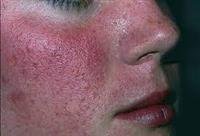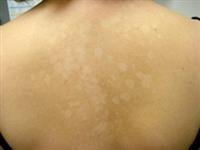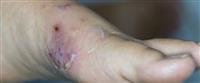
You may be exposed to cellular inflammation, what is it? And what are its reasons? And what are its symptoms? And how can it be treated? The most important details are in the following. You must have noticed at times a sudden swelling of the skin and red color accompanied by a little heat, this may indicate that you have cellulitis, or what is known as cellulitis. Learn about cellulitis, its causes, symptoms, and treatment methods in the following:
Cellulitis: definition
Cellulitis is a common bacterial skin infection with swelling, redness and fever in the area.
The lower part of the body is often more susceptible to this infection, such as: the legs area, but it can affect the face, arms, and other areas.
Causes of cellulitis
Cellulitis occurs when certain types of Streptococcus and Staphylococcus bacteria enter the skin through a cut, incision, or insect bite.
There are some factors that increase the risk of developing cellulitis, the most important of which are:
Weakened immune system.
Eczema and athlete''s foot.
Intravenous drug use.
diabetic.
Family history of cellulitis.
animal bites
Obesity.
Cellulitis: characteristic symptoms
We often wonder about some possible signs of cellulitis, which can be listed as follows
1. General symptoms of cellulitis
Among the most prominent symptoms of inflammation
Redness in the affected area and its spread widely.
High temperature of the affected skin.
the pain.
Hardening of the skin.
2. Symptoms that require a doctor''s consultation
There are some symptoms that indicate the need to consult a specialist, such as
Feeling cold.
fatigue.
Dizziness.
vertigo.
Muscle pain.
sweating
How can cellulitis be diagnosed?
Your doctor will likely be able to diagnose cellulitis, but will perform a physical exam to determine the extent of your condition.
This test may reveal
swelling of the skin
Redness of the affected area.
swollen glands
Depending on the severity of your symptoms, your doctor may want to monitor the affected area for a few days to see if redness or swelling is spreading.
In some cases, the doctor may perform a blood draw or take a sample from the wound to test for the presence of bacteria.
Cellulitis treatment
Cellulitis is treated as follows
The doctor will prescribe a 10-14 day course of oral antibiotics to treat the cellulitis.
The length of your oral antibiotic treatment depends on the severity of your condition.
The patient must take all prescribed medications to ensure proper treatment even if symptoms improve within a few days.
Your doctor may prescribe pain relievers.
You should rest until your symptoms improve, while you elevate the affected limb higher than your heart to reduce any swelling.
Call your doctor right away if you don''t respond to treatment within three days after starting a round of antibiotics, if your symptoms get worse, or if you have a fever.
Cellulitis should clear up within 7-10 days of starting antibiotics, longer treatment may be necessary if your infection is severe.
Complications of cellulitis
Sometimes cellulitis can spread throughout the body, entering the lymph nodes and bloodstream, and in rare cases it can enter deeper layers of tissue.
Possible complications that can occur include
blood infection
bone infection
gangrene