of obesity
With the development of science, the means that help solve the problem of obesity and get rid of it have also evolved, and one of these most advanced methods that does not require surgery is the sleeve gastrectomy by means of a digestive endoscope, so what do you know about it? Obesity is a widespread disease that is increasing in our Arab societies and in the Arab Gulf region in particular. There are multiple factors that have contributed to the high rates of overweight and obesity.
The negative effects of obesity
The negative effects of obesity on public health and the increased risk of
diabetes
High pressure and heart disease
joint degeneration
Back pain
Digestive problems
Increased risk of cancer
In addition to depression and various mental disorders
Problems in social and interactive relationships and proper psychological development.
Available obesity treatments
Many treatment options for obesity include
Changing lifestyle, diet and exercise
Pharmaceutical treatments that may have side effects and do not give good results in the long term
Laparoscopic sleeve gastrectomy without surgery.
Surgical options for people with high and excessive obesity, and surgery may be considered an acceptable solution for this category of patients (only 2% of this category undergo surgery), but at the same time many patients who qualify for this type of surgical interventions on their digestive system refuse these methods because of their Disadvantages.
Gastrectomy by gastrointestinal endoscopy without surgery
The modern method of laparoscopic sleeve gastrectomy is suitable for patients with obesity of the first and second degrees, whose body mass index (weight index squared of height in meters) is between 30% and 40%.
Endoscopic quantization mechanism
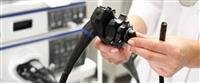
The laparoscopic sleeve gastrectomy depends on the use of a digestive endoscope through the mouth, and it is equipped with a special tool that can stitches across the stomach wall, so that the goal is to perform a series of stitches and stitches from inside the stomach lumen to reduce its cavity by approximately 70% of its size, and this transforms the shape of the stomach into a shape similar to the shape of the stomach. The stomach after the traditional surgical sleeve gastrectomy, but without surgical intervention or opening the cavity or the abdominal wall or any cutting of the stomach.
This new method is done under general anesthesia and takes 60-90 minutes. It is also characterized by a shorter recovery period and discharge from the hospital on the same day or the next day, with less number and risk than traditional surgical procedures.
Promising results
More than three thousand cases have been successfully conducted globally in this innovative method, and several American and European studies in the last three years have proven its effectiveness, and the laparoscopic implant is licensed by the US Food and Drug Administration.
The rate of weight loss during the first year after this procedure is 20%, but to obtain good and long-term results, a gradual diet must be observed under the supervision of a team of nutritionists and behavioral therapists or nutritional psychologists in addition to a gastroenterologist, and follow-up for a period of not less than one year. To devote appropriate and balanced eating habits and a healthy lifestyle to suit the physical and physiological change of the stomach after this procedure.
For more information about this process, and to answer all your questions, Dr. Wael Dahan Center, a consultant in gastroenterology, liver and endoscopy, and holder of the American Board of Gastroenterology certificate, can help you.