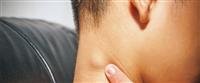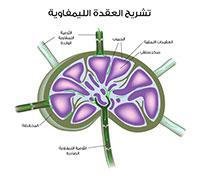
Lymph node biopsy is an invasive examination in which a sample is taken from one or more lymph nodes for close examination under a microscope. This biopsy is suggested when previous examinations raise suspicion of abnormal tissue, often due to an enlarged lymph node or suspected lymphatic system cancer.
There are several types of biopsies in common with almost all of them is the use of a blunt tool to cut a piece of tissue, in many cases it is sufficient to aspirate the needle and then talk about lymph node aspiration (FNA - Fine needle aspiration).
A lymph node biopsy may sometimes be done during surgery as part of an examination of how far the cancer has spread.
When is the examination performed?
The most common indication for a lymph node biopsy is to find out the cause of an enlarged lymph node, sometimes with local pain or stiffness. That is, a lymph node biopsy is performed when there is suspicion of abnormal tissue in the lymph nodes
Lymph node biopsy is also performed after several tests, such as blood tests and ultrasound imaging, did not lead to an accurate diagnosis.
Another common indication that requires this examination is the need to check whether there are metastases of a cancerous tumor in the lymph nodes from cancer originating elsewhere in the body, as the presence of cancerous metastases in the lymph nodes indicates a more severe disease. And the severity of the tumor and a greater degree of spread, which usually requires a different treatment approach.
category at risk
People with diseases of the heart and lungs must inform the doctor of this before the examination. In addition, the doctor must be informed about taking certain medications such as blood thinners. As the doctor may ask the patient to change or replace the medication during the days leading up to the examination, it is important to know that it is not recommended at all for people who suffer from blood clotting problems and frequent bleeding cases.
It should be noted that in order to conduct this examination, the patient''s consent must be obtained by signing a special consent form if the person being examined is a minor, parental consent is required.
related diseases
Diseases relevant to this examination include the following
Bacterial, viral or parasitic infection of the lymph nodes (Lymphadnitis) eg
Herpes virus.
Epstein-Barr virus (EBV - Barr virus).
Cytomegalovirus (CMV - Cytomegalovirus).
Cat scratch disease.
Tuberculosis.
Autoimmune infections that include the following
Lupus
Sarcoidosis.
Kawasaki disease.
Other diseases, the most prominent of which are the following
Lymphoma, Hodgkin''s lymphoma / non-Hodgkin.
breast cancer.
Tumors of the gastrointestinal tract and others.
The method of conducting the examination
If the biopsy was not taken under anesthesia, i.e. not during the surgery, it is necessary to inject a local anesthetic into the area, and if a biopsy is to be taken as part of a major surgical procedure, one must fast from eating and drinking liquids according to the doctor’s instructions about 6-6 days before the surgery. 8 hours.
during the examination
Lymph node biopsy usually takes about 5-10 minutes, during which the examination area is anesthetized locally by injecting anesthetic into the skin around the area to be examined, it should be noted that a needle prick may cause mild pain.
Then the doctor s a needle with a special tip with a thickness of about 3-4 millimeters into the lymph node, and withdraws a piece of tissue after the biopsy, after which the examination site is bandaged.
If a lymph node biopsy is taken during surgery, the patient is usually under general anesthesia, and a few or a few dozen lymph nodes are taken from the surgical area and sent for microscopic examination, and sometimes this is done in the course of the operation itself, meaning that the result of the examination may sometimes affect the course of the operation itself .
after examination
After a simple biopsy of a lymph node, no special problems are usually expected, but if you put a bandage that should be left for about 24 hours on the site where the examination was performed and not wet it, sometimes a slight bleeding may occur that is stopped by another bandage, it should be noted that It is forbidden to remove the first bandage, lest pollutants leak into the open area.
The doctor should be informed about any change that occurs after a lymph node biopsy, such as the appearance of the following symptoms:
Bleeding.
dizziness
Pain in the area where the examination was conducted.
Warnings
Medications that affect the test result
You must tell your doctor about all the medicines you are taking.
Analysis of the results
The results of a lymph node biopsy usually appear within one to two weeks, except for biopsies taken during the same surgical procedure called a frozen section.
Normal results of a lymph node biopsy include
Normal cells, of normal size and shape, in the lymphatic tissue, and no inflammatory cells or cancerous cells appeared in the tissue.
No polluting agents were grown in the culture culture.
Abnormal results of a lymph node biopsy include
Abnormal cells, in terms of size or shape, in lymphoid tissue that raise suspicion that they are cancerous cells of primary lymphoma, which is called lymphoma.
Abnormal cells, in terms of size or shape, in lymphoid tissue that raise suspicion that they are cancerous cells of primary lymphoma, which is called lymphoma.
Abnormal cells in size or shape in other tissues that are suspected to be cancerous cells from a primary tumor at another site in the body, such as breast cancer, stomach cancer, or others.
Extensive spread of inflammatory cells and cells of the immune system, which indicates the presence of infection or inflammation in the tissues such as viral or bacterial infection and others.
Noticing granules in the tissue, which may indicate an autoimmune disease, such as sarcoid or others.