
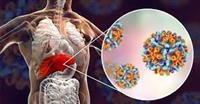
What are the types of hepatitis? How does it infect the body? How dangerous is each type? We will learn the answers to all questions in the following article. Let us learn about the types of viral hepatitis, alcoholic hepatitis, and autoimmune hepatitis in the following: Types of hepatitis There are many types of hepatitis according to the cause.
It is a viral infection that is the most prevalent, followed by a type of inflammation resulting from toxic substances, such as: alcohol, some types of drugs, and finally hepatitis resulting from autoimmune diseases.
Types of viral hepatitis
The types of viral hepatitis are the following
1. Hepatitis A
Hepatitis A is a disease that is easy to treat if it is detected early, and once it is treated, the body gains immunity that protects it from infection again with the virus, and a vaccine is available against the virus that causes it to prevent it.
The virus that causes hepatitis A is present in the feces of infected people, so it is transmitted to others in the following ways:
Drinking water contaminated with infected feces.
Eating food contaminated with infected feces.
2. Hepatitis B
Hepatitis B type is one of the types of hepatitis that is cured automatically two months after infection in the event of exposure to infection in adulthood, but in the event of exposure to infection in childhood, it needs to be treated with antiviral drugs so that the condition does not worsen and reach the level of cirrhosis or liver cancer .
A vaccine against the virus that causes it is available to prevent it.
The virus that causes hepatitis B is present in the blood of the infected person, so it is transmitted in the following ways:
Birth, where it is transmitted from the blood of an infected mother to her child.
Exposure to needles contaminated with the virus, and this situation abounds among addicts because they do not observe any health preventive measures.
sexual intercourse.
3. Hepatitis C
Hepatitis C is known as one of the types of chronic hepatitis, as it worsens in the body without any noticeable symptoms.
Hepatitis C can be treated with antiviral medications for some conditions, and there is no treatment recommended by health organizations, and there is currently no vaccine for it.
The virus that causes hepatitis C is present in the blood of the infected person, so the methods of transmission are similar to hepatitis type B, which was mentioned earlier.
4. Hepatitis D
Hepatitis D is an uncommon type of hepatitis due to its limited incidence.
The virus that causes it is characterized by its effect on people infected with hepatitis B, as it needs the virus B to remain active, and the virus is present in the blood of the infected person, so the methods of transmission are similar to the transmission of hepatitis B and C.
Infection with hepatitis type D is definitely associated with hepatitis type B, which exposes the body to more serious diseases, such as: cirrhosis and liver cancer.
There is no vaccine available for this virus, but vaccines for hepatitis B virus help protect against it to some extent.
5. Hepatitis E
Hepatitis E is one of the types of hepatitis spread all over the world, and there are 4 genotypes of it, two of which were found in humans and two in animals.
Type E was characterized as causing a serious disease known as acute hepatitis, which leads to death for some infected people.
The virus that causes hepatitis E is found in the stool of the infected person, so the ways of transmission are as follows:
Drinking water contaminated with the feces of the infected person.
Eating food contaminated with infected feces.
This virus can be cured by itself after 2-6 weeks of infection, and there is no main treatment for hepatitis E type, and some cases are treated with antiviral drugs, and China has d a vaccine for the virus, but its use was limited within the country, and it was not distributed to other countries.
Alcoholic hepatitis
Alcoholic hepatitis is one of the types of hepatitis caused by bad lifestyles. It results from drinking large amounts of alcohol over many years. When alcohol passes through the digestive process, it produces toxic chemicals that destroy liver cells.
You must immediately stop drinking alcohol when you know that you have this type of inflammation so that the problem does not worsen, and leads to liver failure and cirrhosis, often accompanied by kidney failure.
Autoimmune hepatitis
Autoimmune hepatitis is one of the types of hepatitis resulting from the immune system attacking the liver cells. The disease requires continuous follow-up throughout life. Its symptoms range from mild to severe, the most prominent of which are:
Decreased appetite and weight loss.
Nausea and vomiting.
abdominal pain
Skin rash, acne.
yellowing of the skin
splenomegaly.
Pain in joints and muscles.
There is no primary treatment for hepatitis C, and treatment is limited to relieving symptoms and controlling the liver to prevent cirrhosis.