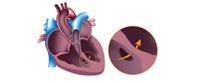

To learn about the symptoms of heart disease in newborns, and to know how different the symptoms of each disease are from the other and ways to detect them, continue reading the article. Symptoms of heart disease in newborns vary according to the disease, and to learn more about these symptoms according to the type of disease, continue reading the article: Symptoms of heart disease in newborns
One out of every 100 children is born with a congenital heart defect, and the defects range from minor defects that are not affected with the function of the heart to severe defects, as more than half of the children develop serious coronary heart diseases that require immediate treatment and intervention from the doctor and health care team.
The diseases that children suffer from vary and their symptoms differ. Learn about the most important diseases and their symptoms as follows:
1. Symptoms of a ventricular septal defect
Affected children may not have any symptoms, but if the hole in the heart is large, the child shows symptoms indicating heart failure. Here are the most common symptoms:
Not gaining weight.
Sweating while breastfeeding.
Frequent respiratory infections.
pallor.
rapid breathing
2. Symptoms of repositioning of the great vessels
Children with transposition of the great vessels suffer from several symptoms, but these symptoms may be similar to other diseases, so a doctor should be consulted to obtain the necessary diagnosis. Here are the most prominent symptoms:
The appearance of the skin in a blue color in the first hours after birth.
breathing difficulties.
poor nutrition
3. Symptoms of aortic stenosis
Symptoms of heart disease in newborns appear when aortic stenosis occurs during the first days of a child''s life, and the severity of symptoms increases as the aorta stenosis increases.
The stenosis is either moderate or severe in infants, and its symptoms appear in the form of:
Weak pulse of the femoral artery.
intense sweating
Slow growth.
Pale or gray appearance.
Hearing an extra heart sound, called a heart murmur.
If the stenosis is mild, it may not notice any symptoms until the child becomes older or even an adult, and the symptoms appear at that time in the form of the following:
Hypertension.
Cold feet or legs.
Dizziness and fainting.
Brain bleeding.
Headache.
leg cramps
hole in the heart.
5. Symptoms of Tetralogy Of Fallot
Here is one of the symptoms of a heart disease in newborns called tetralogy of Fallot. Its symptoms vary depending on how much blood flow from the right ventricle to the lungs is blocked.
Symptoms include
Lack of oxygen in the blood and appears in the form of blue discoloration of the skin.
Shortness or difficulty breathing during the feeding process.
Unconsciousness.
Abnormal appearance of fingers.
Difficulty gaining weight.
Crying for long periods.
Irritations.
Rapid fatigue when making any effort.
6. Symptoms of hypoplastic left heart syndrome
Symptoms of heart disease in newborns appear shortly after birth in the form of
Sweaty, clammy or cold skin.
fast heart rate
The appearance of the skin is pale in color.
Blue skin, lips and nails.
The symptoms of left heart syndrome look like those of other health conditions, so you should consult your doctor.
Diagnosis of heart disease in newborns
Diseases are diagnosed by the appearance of symptoms of heart disease in newborns that appear shortly after birth. Distinctive symptoms may appear, such as the appearance of blue skin, and then the child will undergo a physical examination in which the doctor monitors the heartbeat.
But there are some birth defects that do not appear until months or years later, so additional tests help confirm or rule out a diagnosis of heart disease in children.
It is possible that the infection is suspected in the ultrasound examination that the mother performs periodically while the child is in her womb, so the doctor performs an echocardiogram of the fetus between the 18-22 weeks of pregnancy to confirm the type of disease that the child suffers from while he is in his mother’s womb.
Methods of caring for children with heart disease
To avoid the worsening of heart disease symptoms in newborns, parents should pay attention to some things to avoid the occurrence of infections, as the specialist doctor should be informed of the need for children to visit the dentist or perform other surgeries to be given antibiotics.
The bacteria can enter the bloodstream and cause a serious heart infection. All medications must be checked by a pharmacist or doctor before giving them to a child.